
MetaMask, ehemals Consensys Software Inc, ist die weltweit größte Self-Custody-Finanzplattform und bietet Menschen einen zentralen Ort, um ihr Geld in Krypto- und traditionellen Vermögenswerten zu verwahren, auszugeben, zu sparen und zu vermehren. Das Unternehmen entwickelt die Verbraucherplattform, auf der all das stattfindet, und vereint Zahlungen, Sparen, Investieren und digitale Assets in einem nahtlosen Erlebnis. Ausgehend von der weltweit meistgenutzten Self-Custody-Wallet gibt MetaMask Nutzern die direkte Kontrolle über ihr Geld und ihre Vermögenswerte – mit einer Reichweite in rund 190 Ländern. MetaMask hat seit 2016 eine grundlegende Rolle beim Wachstum von Ethereum gespielt. Heute steht MetaMask im Mittelpunkt der Blockchain-Wirtschaft, entwickelt das Betriebssystem für Open Money und gibt Menschen die volle Kontrolle über ihr finanzielles Leben.
Alle Artikel lesen
Ein Ethereum-ETF ist ein börsengehandelter Fonds, der Anlegern über ein reguläres Brokerage-Konto Zugang zum Preis von Ether (ETH) verschafft, ohne dass sie den Vermögenswert selbst kaufen, halten oder verwahren müssen. Er hält tatsächliches Ether im Namen seiner Anteilsinhaber. Jeder Anteil repräsentiert einen Anspruch auf echtes ETH, das vom Verwahrer des Fonds gehalten wird, und der Anteilspreis ist darauf ausgelegt, den Marktpreis von Ether abzüglich der Fondsgebühr nachzubilden.
Haftungsausschluss: Dieser Leitfaden dient ausschließlich zu Bildungszwecken. Er stellt keine Finanzberatung, keine Aufforderung dar und richtet sich nicht an ein britisches Publikum. Krypto-Assets und kryptobezogene Fonds sind risikoreich und nicht für alle Nutzer geeignet.
Was ist ein Spot-Ethereum-ETF?
Ein Spot-Ethereum-ETF ist ein Fonds, der Ether direkt kauft und hält und Anteile ausgibt, die an einer traditionellen Börse wie der Nasdaq oder der NYSE gehandelt werden. Wenn ein Anleger einen Anteil kauft, kauft er nicht selbst ETH – er kauft einen Anteil an einem Fonds, der ETH besitzt. Der Verwahrer des Fonds hält das zugrunde liegende Ether, ein Mechanismus mit autorisierten Teilnehmern hält die Anzahl der Anteile im Einklang mit den Fondsbeständen, und der Anteilspreis bleibt durch Arbitrage eng an den Preis von Ether gebunden.
Dies unterscheidet sich von einem Futures-ETF, der überhaupt kein Ether hält. Ein futures-basierter Fonds hält Derivatekontrakte, die auf den zukünftigen Preis von Ether setzen, und seine Renditen können im Laufe der Zeit vom Spot-ETH abweichen, da diese Kontrakte regelmäßig erneuert werden. Die ersten US-amerikanischen Ether-gebundenen ETFs, die 2023 aufgelegt wurden, waren Futures-Produkte. Das Label „Spot" signalisiert, dass ein Fonds den echten Vermögenswert hält – und das ist die Struktur, die die meisten Anleger meinen, wenn sie heute über einen Ethereum-ETF sprechen.
Der Reiz dieser Verpackung liegt darin, dass sie in das bestehende Finanzsystem passt. Anteile können in einem Standard-Brokerage-Konto, einem IRA oder einem Altersvorsorgeplan gehalten werden; sie werden in Dollar während der Handelszeiten gekauft und verkauft; und der Anleger muss sich nie mit einem Private Key, einer Seed Phrase oder einem Krypto-Börsen-Konto befassen. Im Gegenzug für diese Bequemlichkeit gibt der Anleger die direkte Kontrolle über den Vermögenswert auf und zahlt eine jährliche Verwaltungsgebühr.
Wie die SEC zur Genehmigung von Ethereum-ETFs gelangte
Die US-amerikanische Securities and Exchange Commission genehmigte die ersten Spot-Ethereum-ETFs in einem zweistufigen Verfahren im Jahr 2024. Sie genehmigte die Börsenregelanträge (die 19b-4-Formulare) im Mai 2024, und die Fonds begannen mit dem Handel, sobald ihre Registrierungserklärungen Ende Juli 2024 wirksam wurden. Diese Genehmigung folgte dem Debüt der Spot-Bitcoin-ETFs im Januar 2024 und übertrug dieselbe grundlegende Vorlage auf Ether.
Bei der Markteinführung gab es eine wesentliche Einschränkung: Die SEC verlangte von den Emittenten, Staking aus ihren Spot-Ether-ETFs zu entfernen, bevor sie diese genehmigen würde. Da Ethereum Proof of Stake (PoS) verwendet – ein System, bei dem ETH gesperrt werden kann, um das Netzwerk gegen Belohnungen abzusichern – bedeutete dies, dass die frühen ETFs Ether hielten, der untätig war und keine der Staking-Belohnungen einbrachte, die ein direkter Inhaber erhalten könnte. Diese Einschränkung wurde für die nächsten anderthalb Jahre zur zentralen Debatte rund um Ethereum-ETFs.
Im Mai 2025 erklärte die Division of Corporation Finance der SEC, dass bestimmte Protokoll-Staking-Aktivitäten keine Wertpapiertransaktionen sind. Damit wurde das wichtigste rechtliche Hindernis für Staking innerhalb eines Fonds beseitigt, und die Emittenten begannen, es hinzuzufügen. Dies ist ein sich entwickelnder regulatorischer Bereich, und die genauen Bedingungen eines bestimmten Fonds können sich ändern, während die SEC ausstehende Anträge bearbeitet.
Staking innerhalb eines Ethereum-ETFs
Staking ist der Mechanismus, der die Regeländerung von 2026 mit realen Anlegerrenditen verknüpft. Auf Ethereum verdient gestaktes ETH Belohnungen für die Hilfe bei der Validierung von Transaktionen. Ein direkter Inhaber kann sein eigenes ETH staken und die Belohnungen behalten. Da ein ETF-Inhaber dies nicht selbst tun kann, übernimmt der Fonds dies für ihn.
Nach der Leitlinie vom Mai 2025 begannen die Emittenten, Staking zu ETH-ETFs hinzuzufügen, wobei BlackRock zu den Ersten gehörte, die Anfang 2026 einen gestakten ETH-ETF (ETHB) auflegten. Im Juni 2026 reichte Morgan Stanley seinen eigenen Staking-fähigen Ether-Trust ein und schlug eine noch anlegerfreundlichere Struktur vor, bei der etwa 95 % der Staking-Belohnungen an die Anleger fließen sollen. Im August 2026 beantragte Fidelity, Staking zu seinem Fidelity Ethereum Fund (FETH) hinzuzufügen, mit dem Vorschlag, unter normalen Bedingungen bis zu 100 % des Ether des Fonds zu staken, dabei genug liquide für Rücknahmen zu halten und 85 % der Brutto-Staking-Belohnungen an den Fonds weiterzugeben, während 15 % auf den Sponsor, Verwahrer und Node-Betreiber aufgeteilt werden.
Zwei Punkte sind beim Thema gestakte ETF-Belohnungen wichtig zu verstehen. Erstens erhält der Anleger in der Regel nur einen Teil der Belohnungen, da der Fonds einen Anteil zur Deckung der Staking-Kosten einbehält, sodass der Betrag, der einen Anteilsinhaber erreicht, niedriger ist als die rohe Protokollrate. Zweitens bringt Staking innerhalb eines regulierten Fonds eigene operative Entscheidungen mit sich, beispielsweise wie viel des Ether ungestakt gehalten werden soll, damit Anteile eingelöst werden können, da gestaktes ETH vor dem Entstaken in einer Warteschlange stehen kann. Diese Details variieren je nach Fonds und sind im jeweiligen Fondsprospekt aufgeführt.
Was Ethereum Exchange Traded Funds kosten
Jeder ETF erhebt eine jährliche Verwaltungsgebühr, die als Kostenquote angegeben wird – der Prozentsatz des Vermögens, den der Fonds jährlich abzieht. Bei einem Fonds, der einen einzelnen Vermögenswert wie Ether abbildet, ist diese Gebühr ein direkter Renditeverlust und daher eines der Hauptmerkmale, die ansonsten ähnliche Produkte voneinander unterscheiden.
Die Gebühren für Spot-Ether-ETFs konzentrieren sich am unteren Ende, mit einer bemerkenswerten Ausnahme. Mitte 2026 erheben mehrere der neueren Spot-Fonds Gebühren im Bereich von etwa 0,19 % bis 0,25 % pro Jahr – beispielsweise VanEcks ETHV mit etwa 0,20 % und BlackRocks iShares ETHA mit etwa 0,25 % –, während Grayscales älteres ETHE, ein umgewandelter Legacy-Trust, weiterhin eine deutlich höhere Kostenquote von etwa 2,50 % aufweist. Einige Emittenten haben auch mit vorübergehenden Gebührenbefreiungen gestartet, um frühzeitig Kapital anzuziehen, sodass der ausgewiesene Gebührensatz eines Fonds steigen kann, sobald eine Befreiung oder ein Vermögensschwellenwert abläuft. Da sich die aktuellen Gebührensätze ändern, ist der aktuelle Prospekt die maßgebliche Quelle.
Fonds (Ticker) | Emittent | Ungefähre Kostenquote (Mitte 2026) |
BlackRock | ~0,25 % | |
VanEck | ~0,20 % | |
Franklin Templeton | ~0,19 % (nach Befreiung) | |
Grayscale | ~2,50 % |
Gebühren sind nicht die einzigen relevanten Kosten. Handelskosten, der Geld-Brief-Spread und die Liquidität des Fonds beeinflussen ebenfalls den tatsächlichen Preis, den ein Anleger zahlt – was teilweise erklärt, warum die größten und meistgehandelten Fonds institutionelles Kapital anziehen, selbst wenn ein etwas günstigerer Wettbewerber existiert. Spot-Ether-ETFs als Gruppe verzeichneten 2026 kontinuierliche Zuflüsse und nahmen allein in der ersten Augustwoche 2026 rund 245 Millionen US-Dollar ein – ihre fünfte aufeinanderfolgende Woche mit Nettozuflüssen.
Ethereum-ETF vs. direktes Halten von ETH
Der grundlegende Kompromiss zwischen einem Ethereum-ETF und dem direkten Halten von ETH ist Bequemlichkeit versus Kontrolle. Ein ETH-ETF übergibt Verwahrung, Sicherheit und Netzwerkmechanik an einen professionellen Manager und verpackt das Engagement in ein vertrautes, reguliertes Produkt. Das direkte Halten von ETH in einer selbstverwalteten Wallet lässt all das in den Händen des Anlegers.
Bei einem ETF liegt das Engagement in einem Brokerage- oder Rentenkonto, das je nach Rechtsordnung steuerliche Vorteile bieten kann, und es gibt keine Keys, die verloren gehen können. Aber die Anteile werden nur während der Handelszeiten gehandelt, die jährliche Gebühr schmälert die Rendite über die Zeit, und das zugrunde liegende Ether kann nicht für irgendetwas verwendet werden – es kann nicht ausgegeben, onchain bewegt, getauscht oder in dezentralen Anwendungen eingesetzt werden. Staking-Belohnungen gibt es nur, wenn der Fonds sie anbietet, und erst nachdem der Fonds seinen Anteil einbehalten hat.
Das direkte Halten von ETH tauscht Bequemlichkeit gegen Kontrolle. Der Inhaber kann ETH senden, tauschen, handeln, in Onchain-Apps verwenden oder staken und die volle Belohnung behalten – nichts davon ist mit dem in einem ETF gesperrten ETH möglich. Eine selbstverwaltete Wallet wie MetaMask ermöglicht diese Nutzungsmöglichkeiten.
Aspekt | Ethereum-ETF | ETH |
Was Sie halten | Fondsanteile | Das Ether selbst |
Verwahrung | Verwahrer des Fonds | Selbstverwahrung (Ihre Keys) |
Wie Sie kaufen | Über einen Broker, in Dollar, während der Handelszeiten | An einer Börse oder onchain, dann in Ihrer eigenen Wallet gehalten |
Handelszeiten | Börsenhandelszeiten | 24/7 |
Preisexposition | Bildet den Ether-Preis abzüglich der Gebühr ab, bewertet während der Handelszeiten | Direktes, kontinuierliches Engagement im Ether-Preis |
Laufende Kosten | Jährliche Kostenquote | Netzwerkgebühren pro Transaktion |
Onchain-Nutzung (DeFi, Zahlungen, Swaps) | Keine – das ETH ist im Fonds gesperrt | Vollständig – ausgeben, tauschen und in DeFi nutzen |
Staking-Belohnungen | Nur wenn der Fonds stakt, abzüglich seines Anteils | Volle Protokollbelohnung, direkt gestakt |
Zugang und Berechtigung | Erfordert ein Brokerage-Konto; Verfügbarkeit variiert je nach Region | Erlaubnisfrei mit einer Wallet; Verfügbarkeit variiert je nach Region |
Bei Zugangsverlust | Keine Keys, die verloren gehen können; das Konto kann über Ihren Broker wiederhergestellt werden | Der Verlust des Private Key oder der Secret Recovery Phrase ist dauerhaft |
Kontotyp | Brokerage, IRA, Altersvorsorgeplan | Selbstverwaltete Wallet |
Hauptrisiko | Fondsgebühren und -struktur | Sicherung Ihrer eigenen Keys |
Tokenisierte Fonds sind eine weitere Möglichkeit, Zugang zu einem Fonds wie einem ETF zu erhalten, ohne die börsennotierten Anteile zu kaufen. Anstelle eines Brokerage-Anteils kauft der Inhaber einen Blockchain-Token, der den Fonds oder das Wertpapier abbildet, und hält ihn in einer selbstverwalteten Wallet, wobei die Abwicklung onchain statt über eine Börse erfolgt. MetaMask unterstützt tokenisierte US-Aktien, ETFs und Rohstoffe über Ondo Global Markets, und in diesem Modell verschafft der Token wirtschaftliches Engagement im zugrunde liegenden Vermögenswert, jedoch kein Eigentum daran. Dies macht einen tokenisierten ETF zu einem eigenständigen Produkt, das sich von einem Spot-Ether-ETF unterscheidet. Eines ist ein Krypto-Token, der einen Fonds abbildet, das andere ist ein börsennotierter Fonds, der ETH hält – und die tokenisierte Version trägt die wallet-basierten Verantwortlichkeiten der Selbstverwahrung.
Warum Ethereum-ETFs existieren
Ether-ETFs existieren, um einen großen Pool traditionellen Kapitals mit einem Vermögenswert zu verbinden, den der Großteil dieses Kapitals zuvor nicht einfach halten konnte. Viele Institutionen, Berater und Rentensparer unterliegen Mandaten oder Plattformbeschränkungen, die das direkte Halten von Krypto unpraktisch machen, können aber einen börsennotierten Fonds halten. Die Verpackung von Ether in einen ETF ermöglicht es diesem Kapital, Preisexposition über dieselben Wege zu erlangen, die es bereits für Aktien und Anleihen nutzt – mit vertrauter Verwahrung, Berichterstattung und steuerlicher Behandlung.
Für das Ethereum-Ökosystem war dieser Zugang bedeutsam. Regulierte Fonds halten nun eine beträchtliche Menge ETH, und der Trend zu Staking-fähigen Fonds bedeutet, dass ein Teil des institutionell gehaltenen Ether gestakt wird, um das Netzwerk abzusichern, anstatt untätig zu bleiben. Ob ein ETF oder die direkte Selbstverwahrung sinnvoller ist, hängt von den individuellen Zielen, der Steuersituation und davon ab, ob man sein Ether tatsächlich onchain nutzen oder lediglich Preisexposition halten möchte – eine Entscheidung, die jeder Anleger unabhängig abwägen muss.

KI-übersetzt. Kann Fehler enthalten. Bitte überprüfen Sie die Informationen stets.
- NEUESTE
Einführung von MetaMask Transaction Shield
Sichere dir den Transaktionsschutz sowie einen vorrangigen Support für noch mehr Sicherheit.
- NEUESTE
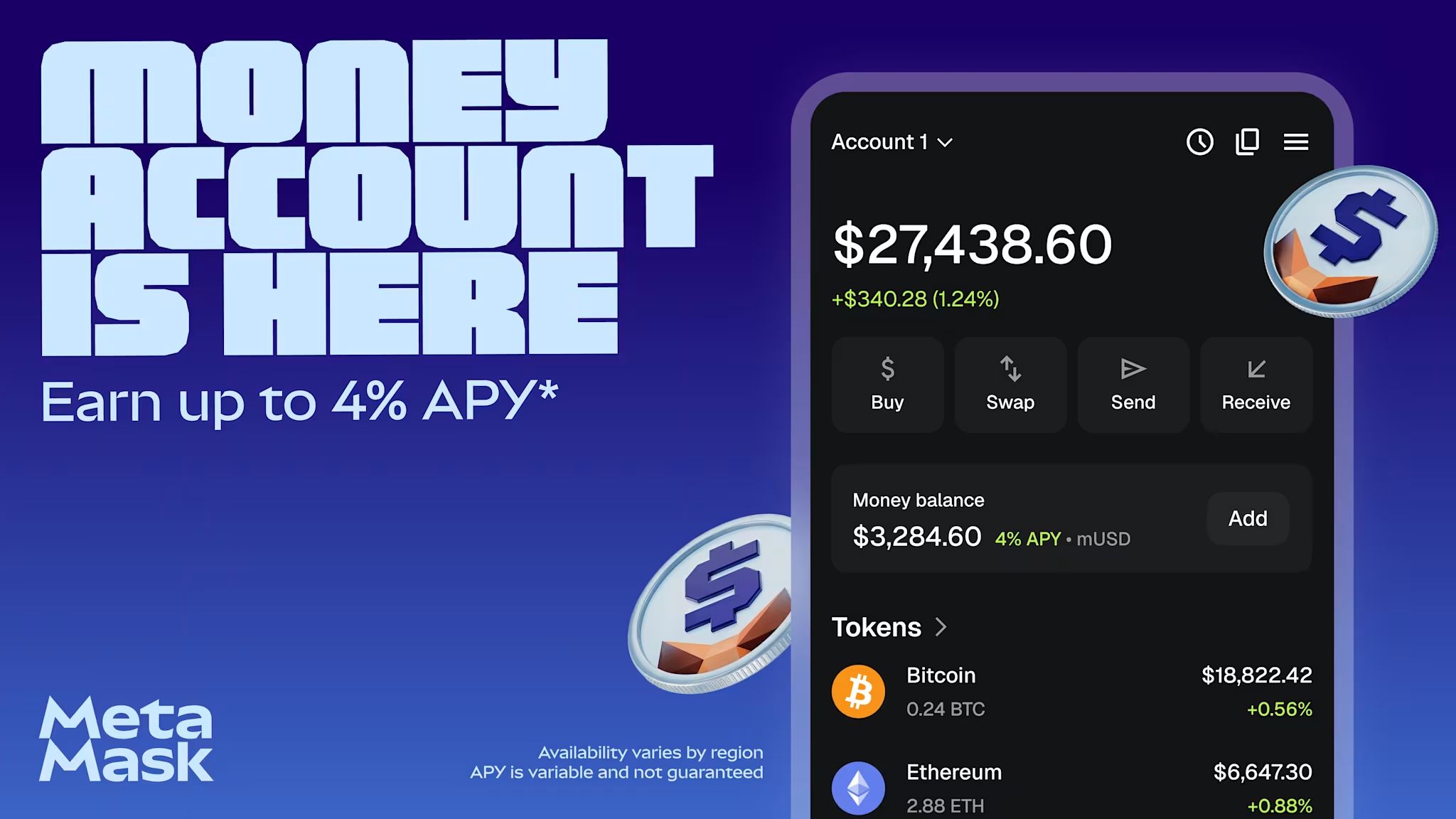
MetaMask führt Money Account ein – DeFi-Renditen und globale Ausgaben für Stablecoin-Guthaben
Erstmals können Nutzer bis zu 6 % variablen APY* auf Stablecoin-Guthaben verdienen und bei Hunderten Millionen Händlern über ein einziges Self-Custodial-Konto zahlen – entwickelt auf Monad.
- ANLEITUNGEN

Die besten mobilen Krypto-Wallet-Apps 2026
Vergleiche die führenden mobilen Krypto-Wallet-Apps für iOS und Android.
