Em 31 de julho de 2015, Kumavis abriu um novo repositório chamado metamask-extension e enviou 598 linhas de código. A mensagem do commit, na íntegra: "init commit."
O bloco gênesis do Ethereum havia sido minerado no dia anterior.
Antes de existir um ecossistema, antes de existir uma indústria, antes de haver qualquer coisa pela qual competir, alguém já estava construindo a ferramenta que permitiria que pessoas comuns a utilizassem. O MetaMask tem, quase que exatamente, a mesma idade do Ethereum. Um ano de desenvolvimento depois, em 14 de julho de 2016, a primeira versão foi lançada para o mundo. Isso faz de hoje o nosso décimo aniversário.
Entrei para essa equipe há seis anos, o que me torna um recém-chegado pelos padrões do MetaMask e um ancião pelos padrões do cripto. Passei esses seis anos dando continuidade ao que Kumavis e Dan Finlay começaram, e acompanhando nosso ecossistema e produto amadurecerem até algo pronto para integrar o público geral e conectar todo o sistema financeiro.
O que o primeiro commit realmente significava
Em 2015, ninguém estava pedindo por uma carteira de navegador. Não havia nenhuma categoria para competir. O que Kumavis e Dan enxergaram foi que essa nova rede só teria importância se pessoas comuns pudessem acessá-la: não rodando um nó, não compilando nada, mas pelo navegador que já tinham aberto. Então eles construíram a porta de entrada e passaram anos resolvendo problemas que ninguém havia resolvido antes, porque ninguém havia precisado.
Essa decisão definiu uma categoria. Toda carteira que veio depois passou por um portal que o MetaMask construiu. E isso estabeleceu silenciosamente a ideia sobre a qual continuamos construindo: você pode guardar e usar seu dinheiro diretamente, sem pedir permissão a ninguém.
Por anos, nós e todos os outros chamamos isso de autocustódia, e falávamos sobre isso como se fosse o objetivo. Nunca foi o objetivo. É o meio. O que isso realmente oferece é muito mais simples e muito maior. Significa que o software pode servir a qualquer pessoa, em qualquer lugar. Um banco precisa construir país a país, licença a licença. Um software que permite que você guarde seus próprios ativos é global por padrão. O lugar onde você nasceu não deveria determinar o que você pode fazer com o dinheiro que ganha. Essa é a ideia enterrada naquelas 598 linhas, independentemente de alguém tê-la formulado dessa forma em 2015.
A década no meio do caminho
Os dez anos desde então foram tudo menos uma linha reta. O MetaMask foi a porta de entrada para a era dos ICOs, para o Verão DeFi, para os NFTs, atravessando dois invernos brutais e voltando. Começou como um assinador de transações, tornou-se a carteira padrão de todo um ecossistema e cresceu até se tornar uma plataforma com mais de 100 milhões de downloads em quase todos os países do mundo, com trilhões de dólares em volume acumulado movimentado.
Tenho mais orgulho de um número menos chamativo: dez. Pouquíssimas empresas sobrevivem dez anos. Quase nenhuma faz isso no Web3, e menos ainda como uma carteira, onde um único erro catastrófico encerra tudo. Cada funcionalidade que já lançamos foi replicada por alguém em questão de meses. Essa é a natureza do software, e está se acelerando com a IA. O que não pode ser replicado é uma década mantendo os fundos das pessoas seguros em escala. Esse foi nosso primeiro trabalho em 2016, é nosso primeiro trabalho hoje, e é o alicerce sobre o qual todo o resto se sustenta. A confiança leva anos para ser construída e segundos para ser perdida. Passamos dez anos construindo-a.
E a todos que estiveram conosco em algum momento dessa jornada: os OGs que lembram da raposa antiga, as pessoas que enviaram sua primeira transação pelo MetaMask, os que partiram nos momentos difíceis e voltaram, e honestamente até os que partiram e ainda não voltaram. Este aniversário é tanto de vocês quanto nosso. Construímos isso juntos.
Os próximos dez anos
As pessoas me perguntam como será a próxima década. Não tenho uma bola de cristal. Se acertar os próximos 24 meses, vou me considerar um gênio. Mas não preciso de uma bola de cristal para enxergar a direção, porque ela já está acontecendo.
Durante a maior parte da primeira década do cripto, a tecnologia correu à frente da realidade. O que mudou é a âncora: valor real está chegando onchain em escala. As stablecoins mais que dobraram em três anos e agora superam US$ 300 bilhões em circulação. Ativos do mundo real, de ações a moedas e crédito, estão sendo tokenizados. Instituições que antes descartavam esses trilhos agora liquidam operações neles. A infraestrutura foi testada por dez anos, e agora está movimentando dinheiro de verdade.
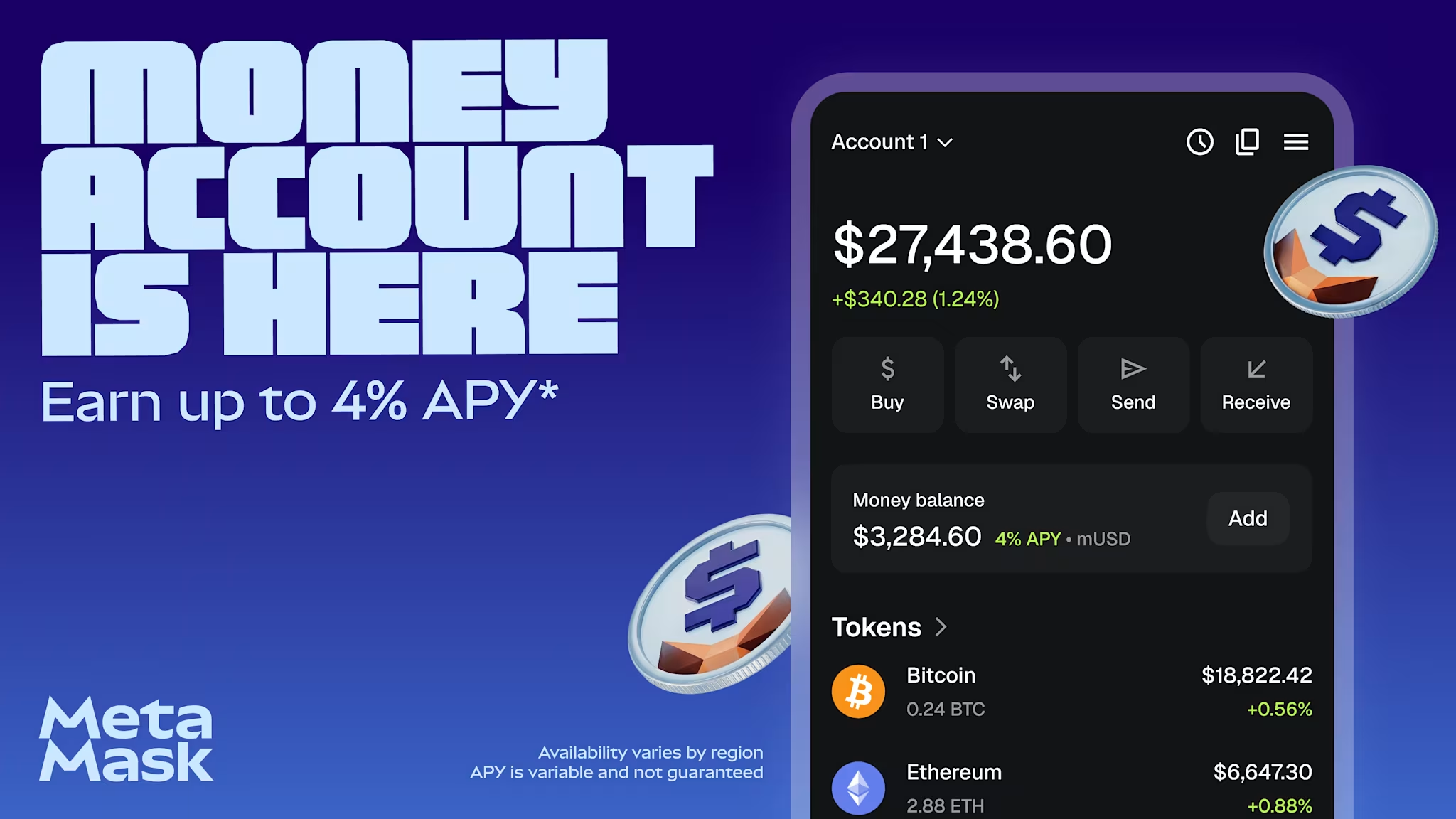
É isso que queremos dizer com Open Money. A internet fez isso com a informação: pegou algo bloqueado por geografia e intermediários e o tornou aberto, instantâneo e global. A mesma transformação está acontecendo agora com o dinheiro. Dinheiro que você guarda diretamente. Dinheiro que se move para qualquer lugar em segundos, por centavos. Dinheiro que rende enquanto está parado. Dinheiro que permanece seu o tempo todo.
Portanto, o próximo capítulo do MetaMask é se tornar o lugar onde toda a sua vida financeira acontece: receber pagamentos, poupar, gastar, investir, enviar, tudo integrado em um só lugar. Receba seu salário no MetaMask e ele começa a render no momento em que chega. Compre uma ação. Pague as compras do mercado com o cartão. Envie dólares para sua família por alguns centavos. E por baixo de tudo, algo que nenhum banco e nenhuma fintech pode oferecer: por ser construído sobre trilhos abertos, você tem acesso a tudo que qualquer pessoa no mundo constrói, não apenas ao que o time de produto de uma única empresa lança. Um neobank oferece o que seu time consegue construir. Nós oferecemos o que todos os times do mundo constroem.
Esta é a medida de sucesso à qual sempre volto: não será quantas pessoas usam blockchain. Será quantas pessoas se beneficiam disso sem nunca precisar pensar na tecnologia por baixo. O cripto vence quando paramos de falar sobre cripto. A primeira década fez a tecnologia funcionar. A próxima a faz desaparecer na ubiquidade.
Dez anos atrás, um desenvolvedor enviou 598 linhas de código no dia seguinte ao nascimento do Ethereum, apostando que as pessoas deveriam poder guardar e usar seu dinheiro diretamente. Cem milhões de downloads depois, a aposta é a mesma. Só que agora terminamos de provar que a tecnologia funciona.
Agora fazemos ela funcionar para todos.
Obrigado por dez anos. Veja como foi sua década onchain em ten.metamask.io.