
MetaMask, eski adıyla Consensys Software Inc, dünyada yaklaşık 190 ülkede kullanıcılara ulaşarak insanlara hem kripto hem de geleneksel varlıklar genelinde paralarını tutma, harcama, biriktirme ve büyütme imkânı sunan, dünyanın en büyük self-custodial finansal platformudur. Şirket, ödemeleri, tasarrufları, yatırımları ve dijital varlıkları tek ve kesintisiz bir deneyimde bir araya getiren tüketici platformunu inşa etmektedir. Dünyanın en yaygın kullanılan self-custodial cüzdanından büyüyen MetaMask, kullanıcılara para ve varlıkları üzerinde doğrudan kontrol imkânı tanımaktadır. MetaMask, 2016'dan bu yana Ethereum'un büyümesinde temel bir rol üstlenmiştir. Bugün MetaMask, blokzincir ekonomisinin merkezinde yer alarak Açık Para için işletim sistemini inşa etmekte ve insanları finansal yaşamları üzerinde tam anlamıyla söz sahibi kılmaktadır.
Tüm makaleleri oku
Bir kripto swap platformu, merkezi bir borsa aracılığıyla değil, doğrudan blokzincir ağları üzerinde bir token'ı başka bir token ile değiştirmeye yarayan her türlü hizmettir; işlemleri kendi havuzlarından karşılayan tek bir DEX, daha iyi bir kur için birçok DEX üzerinden yönlendirme yapan bir toplayıcı ya da bu toplayıcı işlevini kendi kendine saklama yapan bir cüzdana entegre eden cüzdan tabanlı bir swap bunların başında gelir. "Swap platformu", 3 şeyi kapsayan bir üst terimdir: Uniswap gibi işlemleri kendi havuzlarından karşılayan tek bir DEX ya da merkeziyetsiz borsa; daha iyi bir kur bulmak için birçok DEX üzerinden yönlendirme yapan bir toplayıcı ve bu toplayıcı işlevini doğrudan cüzdanın içine entegre eden cüzdan tabanlı swap.
Bu rehber, 2026'da kripto swap için öne çıkan DEX'leri, toplayıcıları ve kendi kendine saklama yapan cüzdanları karşılaştırıyor: hangi platform en iyi kuru sunuyor, ücretler ve slipaj nasıl düşük tutulur, güvenli swap nasıl yapılır ve dolandırıcılıktan nasıl korunulur, token'lar ağlar arasında nasıl taşınır. Listeye geçmeden önce bilinmesi gereken bir nokta: cüzdan tabanlı bir toplayıcı, aşağıdaki DEX'ler ve toplayıcılarla rekabet etmez; aksine onlar üzerinden yönlendirme yapar.
Sorumluluk reddi: Bu içerik yalnızca eğitim amaçlıdır. Finansal tavsiye değildir, bir teklif niteliği taşımaz ve Birleşik Krallık kitlesine yönelik değildir. Kripto swap'lar risk içerir ve her kullanıcı için uygun olmayabilir.
Kripto swap platformlarının türleri: DEX'ler, toplayıcılar, yerel cüzdan entegrasyonları
Tek bir DEX; Uniswap, Curve veya PancakeSwap gibi, işleminizi kendi likidite havuzlarından karşılayan ve alıcı ile satıcıları bir emir defterinde eşleştirmek yerine her işlemi havuza göre fiyatlayan bir formül olan otomatik piyasa yapıcı (AMM) kullanan tek bir merkeziyetsiz borsadır. Tek bir platform yalnızca kendi havuzunun sunabileceği kuru verebilir. Kullanımı basittir; ancak büyük bir işlem tek bir havuzun derinliğiyle sınırlı kalır ve bu durum fiyatın aleyhte hareket etmesine yol açabilir.
Bir toplayıcı, DEX'lerin bir katman üzerinde yer alır. Tek bir havuz yerine aynı anda birçok havuzu sorgular, ardından işleminizi en ucuz yoldan yönlendirir; bazen tek bir emri birden fazla platforma böler ya da nihai fiyatı iyileştirmek için ara bir token üzerinden geçer. CoW Swap, 1inch ve Jupiter birer toplayıcıdır. Tüm piyasayı taradıklarından, genellikle herhangi bir tek DEX'in fiyatını yakalar ya da geçerler.
Cüzdan tabanlı entegrasyon, toplayıcıları doğrudan uygulamanın içine yerleştirir. Uygulamadan çıkmadan, bir siteye bağlanmadan veya varlıklarınızı bir saklayıcıya devretmeden swap yapabilirsiniz. Cüzdan toplayıcı işlevini üstlenir ve sizi kendi kendine saklama konumunda tutar. MetaMask bu şekilde çalışır; 0x dahil DEX'ler genelinde fiyat tekliflerini toplar ve siz imzalamadan önce dolandırıcı token uyarılarını uygular. LI.FI, deBridge ve Symbiosis gibi ağ toplayıcıları ise uzmanlaşmış bir dal oluşturur: işlemleri tek bir ağdaki DEX'ler arasında değil, farklı ağlar arasında yönlendirirler.
Kripto swap ücretlerini ve slipajı anlamak
Döviz kurlarının ötesinde, bir swap'ın gerçek maliyetini belirleyen 2 maliyet kalemi vardır ve her ikisi de işlem büyüklüğüyle birlikte artar: slipaj ve maksimum çıkarılabilir değer. Slipaj, size gösterilen fiyat ile işleminizin gerçekte gerçekleştiği fiyat arasındaki farktır. Büyük emirler önce en iyi fiyatlı likiditeyi tüketip geri kalanını daha kötü fiyatlardan doldurduğundan, büyük işlemlerde bu fark açılabilir. Büyük bir emrin karşılanması çoğunlukla daha fazla platform üzerinden daha karmaşık bir rota gerektirdiğinden, ağ ücretleri de büyüklükle birlikte artabilir. Herhangi bir swap için önemli olan maliyet, gösterilen teklif miktarı ile cüzdanınıza gerçekte ulaşan miktar arasındaki fark ile bunu gerçekleştirmek için ödenen ağ ücretidir:
Örnek swap | |
Teklif edilen miktar | $1.000 |
Slipaj | −$8 |
Ağ (gas) ücreti | −$2 |
Cüzdana ulaşan miktar | $990 |
Bu işlemin gerçek maliyeti | $10 |
$8 slipaj ve $2 ağ ücreti $1.000'lık tekliften düşülür; böylece cüzdanınıza $990 ulaşır ve başlık kur rekabetçi görünse de işlem gerçekte yaklaşık $10'a mal olur.
Maksimum çıkarılabilir değer anlamına gelen MEV, botların işlemler gerçekleşmeden önce sırayı yeniden düzenleyerek, araya girerek veya öne geçerek elde ettiği kârdır. Bir swap'ta bot, bekleyen büyük bir işlemi fark edebilir, önüne geçebilir ve işlemin çok daha kötü bir fiyattan gerçekleşmesini sağlayarak farkı cebe indirebilir. Risk, işlem büyüklüğüyle birlikte artar ve ciddi boyutlara ulaşabilir: Mart 2026'da yaşanan bir olayda, yaklaşık 50 milyon dolarlık tek bir stablecoin swap'ı, MEV botlarının saldırısına uğrayarak değerinin küçük bir kesimine geriledi; bu kaybı CoW Protocol daha sonra kendi olay incelemesinde ayrıntılı biçimde ele aldı.
İşte bu noktada cüzdan tabanlı swap devreye girebilir. MetaMask'ın Akıllı İşlemleri, yerel öne geçme korumasına sahiptir ve swap'ları korumalı bir kanal üzerinden yönlendirir. Slipajın nasıl çalıştığına ve makul bir slipaj toleransının nasıl belirleneceğine ilişkin ayrıntılı bir açıklama için slipaj rehberine bakabilirsiniz.
En iyi kripto swap platformları nasıl sıralanır?
Her platformu aynı beş kritere göre değerlendirdik: büyük işlemlerde fiyatı koruma anlamına gelen büyük hacimde gerçekleşme; ağ erişimi; kur, ağ ücretleri ve slipajı birlikte kapsayan toplam maliyet; imzalamadan önce dolandırıcı token uyarısı sunma anlamına gelen güvenlik; ve kendi kendine saklama, herhangi bir hesap veya bölgesel kısıtlama olmaksızın erişim ve saklama.
2026'da öne çıkan kripto swap platformları
MetaMask: dolandırıcı token uyarılarıyla kendi kendine saklama swap'ları ve ağlar arası transferler için en iyi seçenek
MetaMask'ın swap toplayıcısı doğrudan cüzdanın içinde yer alır: kendi kendine saklama yapan cüzdanınızdan çıkmadan veya ek bir hesap açmadan birden fazla DEX'i tarayarak en iyi kurları toplar. MetaMask ayrıca tek bir işlemde ağlar arasında token swap yapmanıza olanak tanır; LI.FI ve Socket dahil köprü toplayıcıları üzerinden yönlendirme yapar. Cüzdan, imzalama anında güvenliğe büyük önem verir: Blockaid'i de kapsayan güvenlik uyarıları, MetaMask'ın Ethereum, Linea, BNB Chain, Base, Polygon, Arbitrum, Optimism ve Avalanche dahil desteklenen ağlarında varsayılan olarak etkindir ve siz imzalamadan önce kimlik taklidi ile kötü amaçlı token'ları işaretler.
Uniswap: derin tek platform likiditesiyle doğrudan swap'lar
Uniswap, işlem hacmine göre en büyük DEX'tir ve tek platform swap'ının referans noktasıdır: platformlar arasında yönlendirme yapmak yerine Ethereum ve pek çok L2 üzerindeki kendi likidite havuzlarından işlemleri karşılar. Uniswap'ın kendi uygulaması artık UniswapX aracılığıyla ağlar arası swap da sunmaktadır; ancak havuzları zincir bazında kalmaya devam etmektedir. Likiditesi Uniswap'ta yoğunlaşmış bir token için ya da tek bilinen bir havuzda swap yapmak isteyen bir trader için doğrudan işlem mantıklı olabilir. Dezavantajı: tek bir platformun derinliği, slipaj olmaksızın ne kadar büyük bir işlemi kaldırabileceğini sınırlar; bu nedenle büyük emirlerde Uniswap dahil birden fazla DEX'e bölen bir toplayıcı genellikle daha iyi gerçekleşme sağlar.
CoW Swap: büyük işlemler ve MEV koruması
CoW Swap, işlemleri tek tek değil toplu olarak gerçekleştirir ve "istek örtüşmesi" modeli iki trader'ı doğrudan eşleştirebilir; böylece her ikisi de bir havuz üzerinden yönlendirme maliyetini ödemez. Her iki özellik de MEV'i azaltmak için tasarlanmıştır; bu da onu Ethereum mainnet'te öne geçme botlarının ilgisini çekecek kadar büyük işlemler için sık tercih edilen bir platform hâline getirir. Dezavantajı: toplu gerçekleşme anlık değildir. CoW Swap o tarihten bu yana ağlar arası swap da eklemiştir; ancak temel gücü büyük, aynı ağ EVM işlemlerinde kalmaya devam etmektedir.
1inch: büyük EVM emirlerini bölme
1inch, en uzun süredir faaliyet gösteren çok zincirli toplayıcılardan biridir. Avantajı emir bölmedir: tek bir büyük işlem birden fazla DEX'e dağıtılır; böylece hiçbir havuz fiyatı emrin aleyhine hareket ettirecek kadar büyük bir miktarı tek başına emmek zorunda kalmaz. Fusion modu, büyük emirler için niyet tabanlı, MEV'e duyarlı gerçekleşme ekler. Fusion+ ise bunu 13'ten fazla ağ üzerinde ağlar arası swap'lara genişletir. Dezavantajı: herhangi bir işlemde en iyi net kur genellikle yalnızca 1inch ile CoW Swap'ı karşılaştırarak ortaya çıkar; tek bir teklife güvenmek yeterli değildir.
Curve: stablecoin ve sabit fiyatlı varlık swap'ları
Curve, stablecoin'ler ve staked-ETH ile ETH gibi benzer fiyatlı varlıklar arasında swap yapmak için referans platformdur; StableSwap havuzları büyük işlemlerde bile slipajı çok düşük tutar. Ethereum ve pek çok başka ağda çalışır; herhangi bir DEX gibi swap, kendi kendine saklama yapılarak doğrudan havuzlarına karşı gerçekleşir. Dezavantajı: değişken veya uzun kuyruklu token'lar için Uniswap gibi genel bir AMM ya da bir toplayıcı genellikle daha iyi kur bulur; bu nedenle Curve, genel amaçlı bir swap platformundan çok bir uzman platformdur.
Jupiter: Solana üzerinde swap
Jupiter, Solana'nın hâkim toplayıcısıdır; zincirin likiditesi genelinde en iyi mevcut kuru bulmak için yönlendirme yapar ve gerektiğinde emirleri böler. Solana üzerinde işlem yapan herkes için varsayılan ilk duraktır. Dezavantajı: Solana'ya özgüdür; EVM swap'ları veya Solana'dan başka bir ağa varlık taşıma için uygun değildir.
LI.FI / Jumper: geniş ağ yönlendirmesi
LI.FI, pek çok cüzdan köprü widget'ının ve kendi tüketici uygulaması Jumper'ın arkasındaki meta-toplayıcı katmandır; MetaMask'ın köprüleme işlevinin arkasındaki iki köprü toplayıcısından biridir. Jumper'ı doğrudan kullanmak, LI.FI'nin 60'tan fazla ağ ve pek çok köprü üzerindeki tam rota setini tek bir arayüzde sunar. Dezavantajı: günlük transferler için aynı yönlendirme zaten MetaMask'ın köprüleme özelliğinin içinde mevcuttur; bu nedenle Jumper'a doğrudan gitmek ağırlıklı olarak alışılmadık rotalar için faydalıdır.
deBridge: hızlı ağ tabanlı transferler
deBridge, bir DEX'e köprüleme eklemek yerine ağlar arasında varlık ve mesaj taşımak için tasarlanmış ağ tabanlı bir yönlendiricidir ve desteklediği rotalardaki hızıyla sıkça öne çıkar. Dezavantajı: köprü sözleşmeleri tarihsel olarak yüksek değerli saldırı hedefleri olmuştur; bu nedenle yalnızca teklif edilen kura değil, denetim geçmişine ve rota itibarına da dikkat etmek gerekir.
Symbiosis: uzun kuyruklu ağ çiftleri
Symbiosis, bir rota veya token çiftinin daha geniş toplayıcıların temiz biçimde kapsayamadığı durumlarda işe yarayan başka bir ağ tabanlı yönlendiricidir. Uzun kuyruklu zincirler ve çiftler için yedek seçenektir. Dezavantajı: aynı köprü riski uyarısı geçerlidir: fiyatın yanı sıra itibar ve denetimler de önem taşır.
Kripto swap platformlarının karşılaştırması: ücretler, ağ ve güvenlik
Kripto DEX'leri
Tek bir kripto DEX, işlemleri kendi likidite havuzlarından karşılar; bu nedenle bir swap o tek platformun kurunu alır ve havuzun derinliğiyle sınırlı kalır.
Platform | Tür | En iyi kullanım | Ücretler | Ağlar arası | Yerleşik güvenlik | Saklama |
Uniswap | Genel AMM | Derin tek platform likiditesiyle doğrudan swap | %0 arayüz ücreti; havuz ücreti uygulanır | Evet, UniswapX aracılığıyla | Cüzdana bağlı | Kendi kendine saklama |
Curve | Stableswap AMM | Stablecoin ve sabit fiyatlı varlık swap'ları; çok zincirli | Havuz ücreti, değişken | Hayır | Cüzdana bağlı | Kendi kendine saklama |
PancakeSwap | Çok zincirli AMM | BNB Chain ve diğer ağlarda yüksek hacimli swap'lar | Havuz ücreti, kademeli | Hayır | Cüzdana bağlı | Kendi kendine saklama |
Aerodrome | Oy-escrow AMM | Base tabanlı token likiditesi | Havuz ücreti, değişken | Hayır | Cüzdana bağlı | Kendi kendine saklama |
Raydium | Solana AMM/CLMM | Solana token likiditesi ve yeni lansmanlar | Havuz ücreti, değişken | Hayır | Cüzdana bağlı | Kendi kendine saklama |
Kaynaklar: Uniswap Labs ücretleri; DefiLlama DEX hacimleri; ve Curve, PancakeSwap, Aerodrome ve Raydium belgeleri. Ücret ve destek rakamları belirli bir ana aittir ve değişebilir; bu nedenle Eylül 2026 itibarıyla yaklaşık değerler olarak değerlendirin.
Kripto swap toplayıcıları
Bir toplayıcı, DEX'lerin bir katman üzerinde yer alır; aynı anda birçoğunu sorgular ve ağ toplayıcıları söz konusu olduğunda ağlar arasında yönlendirme yaparak en ucuz yolu bulur.
Platform | Tür | En iyi kullanım | Ücretler | Ağlar arası | Yerleşik güvenlik | Saklama |
CoW Swap | Toplu açık artırma toplayıcısı | Büyük işlemlerde MEV koruması | Artı değer ve çözücülerden | Evet, ağlar arası swap'lar | Cüzdana bağlı | Kendi kendine saklama |
1inch | DEX toplayıcısı | Büyük EVM işlemlerini bölme | 1inch protokol ücreti yok | Evet, Fusion+ aracılığıyla | Cüzdana bağlı | Kendi kendine saklama |
Jupiter | DEX toplayıcısı, Solana | Solana'da en iyi yönlendirme | %0 | Evet | Cüzdana bağlı | Kendi kendine saklama |
LI.FI / Jumper | Ağ meta-toplayıcısı | Geniş ağ yönlendirmesi | Rota ücretleri değişken | Evet | Cüzdana bağlı | Kendi kendine saklama |
deBridge | Ağ yönlendiricisi | Hızlı yerel transferler | Protokol artı köprü ücreti | Evet | Cüzdana bağlı | Kendi kendine saklama |
Symbiosis | Ağ yönlendiricisi | Uzun kuyruklu ağ çiftleri | Köprü ve swap ücretleri değişken | Evet | Cüzdana bağlı | Kendi kendine saklama |
Kaynaklar: 1inch ücretleri; CoW Protocol belgeleri; Jupiter; ve LI.FI, deBridge ve Symbiosis belgeleri. Ücret ve destek rakamları belirli bir ana aittir ve değişebilir; bu nedenle Eylül 2026 itibarıyla yaklaşık değerler olarak değerlendirin.
Yerel cüzdan swap'ları
Yerel bir kripto cüzdan swap'ı, bir toplayıcıyı doğrudan uygulamaya veya tarayıcı uzantısına entegre eder; böylece fiyat teklifleri, güvenlik uyarıları ve gerçekleşme bir hesap veya saklayıcı olmaksızın gerçekleşir; birçoğu aynı akış içinde ağlar arasında köprüleme de yapar.
Platform | Tür | En iyi kullanım | Ücretler | Yerleşik güvenlik | Saklama |
Cüzdan tabanlı DEX toplayıcısı; aynı akış içinde ağlar arası köprüleme | 18'den fazla ağda kendi kendine saklama ile aynı ağ swap'ları ve ağlar arası transferler; imzalamadan önce kur teklifi ve ücretler gösterilir | Swap ücreti uygulanır | Güvenlik uyarıları varsayılan olarak etkin; Zincir üstü analiz, ekosistem istihbaratı ve Blockaid dahil iş ortaklarıyla desteklenmektedir; Dolandırıcı token, kimlik avı ve adres zehirleme risklerini işaretler; İmzalamadan önce işlemleri simüle eder | Kendi kendine saklama | |
Trust Wallet | Cüzdan tabanlı toplayıcı | Mobil öncelikli çok zincirli swap'lar | Swap ücreti uygulanır | Güvenlik taraması | Kendi kendine saklama |
Phantom | Cüzdan tabanlı toplayıcı | Solana öncelikli, artık çok zincirli swap'lar | Swap ücreti uygulanır | İşlem uyarıları | Kendi kendine saklama |
Rabby | Cüzdan tabanlı toplayıcı | İmza öncesi risk kontrolüyle EVM swap'ları | %0,25 swap ücreti | İmza öncesi risk simülasyonu | Kendi kendine saklama |
Rainbow | Cüzdan tabanlı toplayıcı | Basit UX ile Ethereum ve L2 swap'ları | Swap ücreti uygulanır | İşlem önizlemeleri | Kendi kendine saklama |
Kaynaklar: MetaMask swap'lar, köprüleme ve güvenlik uyarıları; ve Trust Wallet, Phantom, Rabby ve Rainbow belgeleri. Ücret ve destek rakamları belirli bir ana aittir ve değişebilir; bu nedenle Eylül 2026 itibarıyla yaklaşık değerler olarak değerlendirin.
Kullanım senaryosuna göre kripto swap platformları karşılaştırması
Kullanıcı tipi | Swap ihtiyacı | Yaygın kullanılan platformlar |
Günlük kullanıcı | Güvenlik korumaları ve dolandırıcı token uyarılarıyla kendi kendine saklama yaparak ara sıra cüzdan swap'ı | MetaMask; Uniswap |
Aktif EVM trader'ı | Mevcut en iyi kurda sık aynı ağ işlemleri | 1inch; Uniswap; CoW Swap |
Yüksek hacimli trader | Büyük emirlerde minimum slipaj ve MEV koruması | CoW Swap; 1inch |
Solana trader'ı | Solana'da swap ve yeni lansmanlar | Jupiter; Raydium; MetaMask |
Çok ağlı kullanıcı | Tek akışta ağlar arasında varlık taşıma | MetaMask; Jumper; deBridge; Symbiosis |
Memecoin trader'ı | Yeni ve uzun kuyruklu token swap'ları, likidite değerlendirmesi | Uniswap; PancakeSwap; Raydium |

Yapay zeka tarafından çevrildi. Hatalar içerebilir. Lütfen her zaman bilgileri doğrulayın.
- EN YENİLER
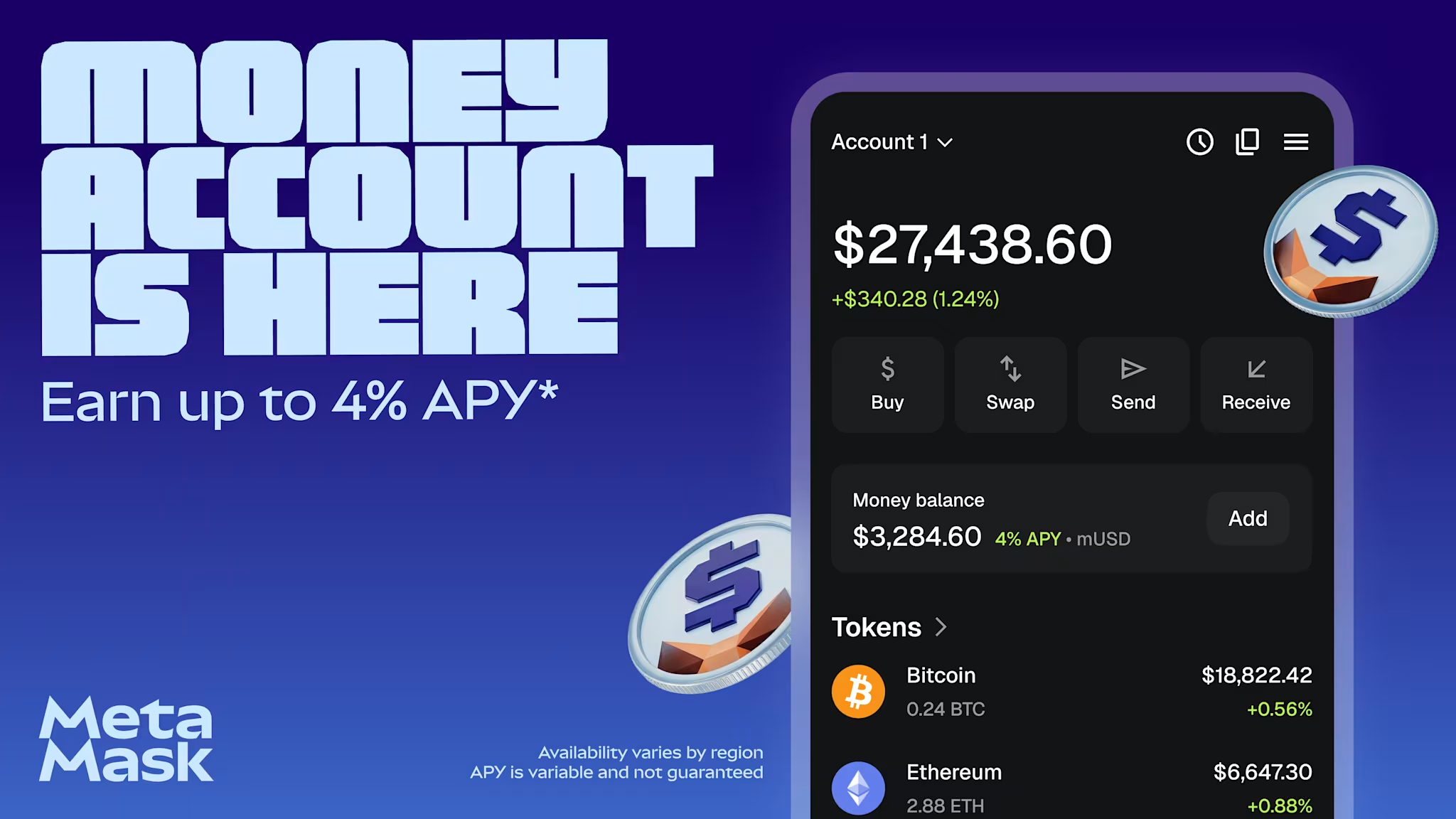
MetaMask, DeFi getirisi ve küresel harcamayı stablecoin bakiyelerine taşıyan Money Account'u başlattı
Kullanıcılar ilk kez, Monad üzerine kurulu tek bir self-custodial hesaptan stablecoin bakiyelerinde %6'ya kadar değişken APY* kazanabilir ve yüz milyonlarca satıcıda harcama yapabilir.
- REHBERLER

2026'nın en iyi mobil kripto cüzdan uygulamaları
iOS ve Android'deki önde gelen mobil kripto cüzdan uygulamalarını karşılaştırın.
- REHBERLER
Stablecoin ve banka hesabı
Stablecoin'ler ve banka hesapları her ikisi de fiat değeri tutar, ancak farklı altyapılar üzerinde çalışır. Bu rehber; koruma, getiri, transfer hızı ve erişim farklarını ele alır.

