
MetaMask, eski adıyla Consensys Software Inc, dünyada yaklaşık 190 ülkede kullanıcılara ulaşarak insanlara hem kripto hem de geleneksel varlıklar genelinde paralarını tutma, harcama, biriktirme ve büyütme imkânı sunan, dünyanın en büyük self-custodial finansal platformudur. Şirket, ödemeleri, tasarrufları, yatırımları ve dijital varlıkları tek ve kesintisiz bir deneyimde bir araya getiren tüketici platformunu inşa etmektedir. Dünyanın en yaygın kullanılan self-custodial cüzdanından büyüyen MetaMask, kullanıcılara para ve varlıkları üzerinde doğrudan kontrol imkânı tanımaktadır. MetaMask, 2016'dan bu yana Ethereum'un büyümesinde temel bir rol üstlenmiştir. Bugün MetaMask, blokzincir ekonomisinin merkezinde yer alarak Açık Para için işletim sistemini inşa etmekte ve insanları finansal yaşamları üzerinde tam anlamıyla söz sahibi kılmaktadır.
Tüm makaleleri oku
Sürekli vadeli işlemler, kalabalık pozisyonlanma üzerine kurulur. Her sürekli sözleşmenin iki tarafı vardır: uzun ve kısa. Dolayısıyla piyasa, yalnızca katılımcıların yön konusunda farklı düşünmesi sayesinde var olur. Bu iki taraf arasındaki denge, fonlama oranlarını belirler, likidite derinliğini şekillendirir ve sıkışmaları, zincirleme tasfiye olaylarını ve momentum değişimlerini tetikleyen baskı farklılıklarını yaratır.
Bir taraf aşırı kalabalıklaştığında, sözleşmenin kendi mekanizmaları—fonlama ödemeleri, işaret fiyatı sapması, marj erozyonu—çoğunluğun aleyhine çalışmaya başlar. Bu kalabalık dinamiği, sürekli vadeli işlemlerde toplu pozisyonlanmayı doğru okumayı bu denli kritik kılan şeydir; yanlış okumak ise aşırı kaldıraç kullanımına, kötü giriş-çıkış noktalarına ve likidite tuzaklarına yol açabilir.
Açık faiz (OI), sürekli vadeli işlem ticaretinde en sık başvurulan metriklerden biridir. Aynı zamanda en kolay kötüye kullanılan metriklerden biridir. Deneyimli yatırımcılar genellikle OI'yi şu adımları içeren bir iş akışıyla takip eder: veri kalitesini doğrulama, OI'yi fiyat ve hacimle birlikte değerlendirme, fonlama dinamiklerini hesaba katma, likiditeye göre filtreleme, pozisyon büyüklüğünü doğru ayarlama, borsa bazında yoğunlaşmaları izleme ve zaman içinde gerçekte neyin işe yaradığını gözden geçirme. Bu rehber söz konusu süreci adım adım açıklar; böylece OI, tek başına bir sinyal olmak yerine birden fazla girdi arasında bir araç olarak işlev görebilir.
Sürekli vadeli işlemlerin nasıl çalıştığına dair genel bir bakış için sürekli vadeli işlemlere yeni başlayanlar rehberine göz atabilirsiniz. Temel kavramların açıklamaları için sürekli vadeli işlemlerin temel terimlerini keşfedin.
Sorumluluk Reddi: Bu rehber yalnızca eğitim amaçlıdır. Finansal tavsiye niteliği taşımaz, bir teklif değildir ve Birleşik Krallık kitlesine yönelik değildir. Sürekli vadeli işlem ticareti risklidir ve tüm kullanıcılara uygun değildir.
Sürekli vadeli işlemlerde açık faiz nedir
Açık faiz (OI), herhangi bir anda açık kalan ve henüz kapatılmamış toplam türev sözleşme sayısıdır. OI, yeni bir alıcı ile yeni bir satıcının aralarında yeni bir sözleşme oluşturması durumunda artar. Mevcut bir pozisyon sahibinin başka bir mevcut pozisyon sahibine karşı pozisyonunu kapatması ve bu sözleşmeyi piyasadan çıkarması durumunda ise düşer. Mevcut bir pozisyon sahibi, pozisyonunu yeni bir katılımcıya devrederse OI sabit kalır; bir işlem gerçekleşmiş olsa da sözleşme sayısı değişmemiştir.
Bu mekanizma, OI'yi işlem hacminden ayıran şeydir. Hacim, belirli bir dönemde el değiştiren her sözleşmeyi sayar ve o dönemin sonunda sıfırlanır. OI ise bekleyen toplam pozisyon büyüklüğünün süregelen bir toplamıdır. Bir piyasa yüksek hacim ve sabit OI gösterebilir; bu, pozisyonlanmada net bir değişiklik olmaksızın yoğun bir alım satım trafiği olduğu anlamına gelir. Tersine, çok sayıda kapatma işlemi olmaksızın yeni pozisyonlar sürekli biriktiğinde OI, mütevazı bir hacimle birlikte yükselebilir.
Kripto sürekli vadeli işlemlerinde OI genellikle iki şekilde raporlanır: sözleşme sayısı (kontrat adedi) veya nominal değer (toplam USD karşılığı pozisyon büyüklüğü). Bu ayrım önemlidir. OI'yi nominal değer cinsinden raporlayan bir platform, yeni sözleşme açılmamış olsa bile fiyat yükseldiğinde OI'nin arttığını gösterir; çünkü mevcut sözleşmeler artık dolar bazında daha değerlidir. Platformlar arasında OI karşılaştırması yaparken rakamın sözleşme bazlı mı yoksa nominal bazlı mı olduğunu teyit etmek, yanıltıcı karşılaştırmaların önüne geçer.
Güncelleme sıklığı da farklılık gösterir. Bazı platformlar OI'yi neredeyse gerçek zamanlı olarak yenilerken diğerleri daha uzun aralıklarla günceller. Bir platformun OI akışına güvenmeden önce metodolojisini kontrol etmek, temel bir durum tespiti adımıdır.
Açık faizin sürekli vadeli işlem ticareti için önemi
Likidite ve katılım: Yükselen OI, genellikle artan piyasa katılımına ve daha derin emir defterlerine işaret eder. Düşük OI, daha ince emir defterleri, daha geniş spread'ler ve giriş-çıkışlarda daha yüksek kayma riski anlamına gelebilir. Kayma—bir emrin beklenen gerçekleşme fiyatı ile fiilen gerçekleştiği fiyat arasındaki fark—özellikle piyasa emirlerinde veya volatilite artışlarında ince OI'li piyasalarda daha da kötüleşme eğilimindedir.
Üçlü doğrulama: OI'yi fiyat ve hacimle birleştirmek, trend gücünü teyit etmeye veya tükenmeyi işaretlemeye yardımcı olur. Bu üçlü, herhangi bir metriğin tek başına okunmasından kaynaklanan yanlış pozitifleri azaltır. Örneğin, karşılık gelen bir fiyat hareketi olmaksızın OI'de yaşanan bir artış, yönsel bir kararlılıktan ziyade bir pozisyon birikimini gösterebilir; katılımcılar piyasaya girmektedir, ancak piyasa henüz hangi tarafın üstün olduğuna karar vermemiştir.
Fonlama ve kalabalık dinamikleri: Sürekli sözleşmeler, spot fiyatı takip etmek için periyodik fonlama ödemeleri kullandığından, OI'ye yansıyan toplu pozisyonlanmadaki değişiklikler fonlama oranlarının büyüklüğünü ve yönünü etkileyebilir. Ağırlıklı olarak tek tarafa kayan bir OI dengesizliği, fiyat neredeyse hiç hareket etmese bile baskın taraf için fonlama maliyetlerini artırarak zaman içinde marjı aşındırabilir. Fonlama mekanizmalarının nasıl çalıştığına ve farklı borsaların oranları nasıl hesapladığına dair ayrıntılı bir açıklama için fonlama sıklığı ve stratejileri rehberine göz atabilirsiniz.
Açık faizi yorumlarken yapılan yaygın hatalar
OI'yi yönsel bir sinyal olarak değerlendirmek: OI, kaç sözleşmenin var olduğunu açıklar. Tek başına, kalabalığın hangi yönü tercih ettiğini, bu pozisyonların kârlı olup olmadığını veya sözleşmelerin hedge edilip edilmediğini göstermez. Yükselen bir OI rakamı, yeni uzun pozisyonlar, yeni kısa pozisyonlar veya her ikisinin eşit bir karışımı anlamına gelebilir. Yön için ek verilere ihtiyaç vardır: fonlama oranı dengesizliği, uzun/kısa oranları (mevcut olduğunda) ve fiyat bağlamı.
Nominal OI ile sözleşme OI'sini karıştırmak: Yukarıda belirtildiği gibi, OI'yi USD nominal değeri cinsinden raporlayan bir platform, yeni sözleşme oluşturulmamış olsa bile fiyat rallisi sırasında OI'nin arttığını gösterir. Nominal bir OI artışını, mevcut sözleşmelerin dolar bazında daha pahalı hale gelmesinden kaynaklanmasına rağmen "piyasaya yeni para girişi" olarak yanlış okumak, analizi çarpıtabilir.
Raporlama tutarsızlıklarını göz ardı etmek: Bazı platformlar OI'yi farklı hesaplar ve kısa zaman dilimli OI anlık görüntüleri gürültülü olabilir. Ayrıntılı OI verileri, mutabakat sağlanmadan güvenilmez olabilir. Günlük veya çok saatlik OI anlık görüntüleri, dakika bazlı verilerden daha istikrarlı olma eğilimindedir.
Düşük OI'li likidite risklerini göz ardı etmek: İnce açık faizli bir piyasa, cazip fiyatlandırma sunuyor gibi görünebilir; ancak anlamlı büyüklükte bir pozisyona girmek veya çıkmak piyasayı etkileyebilir. Ekranda görünen fiyat, özellikle düşük OI'li çiftlerde piyasa emirlerinde kayma sonrasında elde edilen fiyat olmayabilir.
OI'yi fiyat ve hacim olmadan okumak: Karşılık gelen bir fiyat değişikliği olmaksızın yaşanan bir OI artışı, bir kırılma öncesinde pozisyon birikimini işaret edebilir ya da geç girenleri tuzağa düşüren sahte bir harekete işaret edebilir. Hacim ve fiyat bağlamı olmadan ikisi arasında ayrım yapmak mümkün değildir.
Adım 1: Açık faiz veri kalitesini ve kaynaklarını doğrulayın
Güvenilir analiz, güvenilir verilerle başlar. Akademik araştırmalarda belgelenen tutarsızlıklar göz önüne alındığında, birkaç pratik kontrol yardımcı olur:
OI değişikliklerini gerçek işlem hacmi ve işlem tikleriyle karşılaştırın. Bir platform belirli bir aralık için büyük bir OI artışı raporluyorsa ancak o aralıktaki işlem hacmi bunu açıklamak için çok düşükse, bu tutarsızlık dikkat gerektirir.
OI metodolojilerini belgeleyen, rakamların sözleşme bazlı mı yoksa nominal bazlı mı olduğunu belirten, OI'yi işlem verileriyle mutabık kılan ve günde bir kezden daha sık güncelleme yapan platform ve veri sağlayıcılarını tercih edin.
OI'yi birden fazla platform arasında çapraz referanslamak, tutarsızlıkları ortaya çıkarmaya yardımcı olur. Toplayıcılar, borsa genelinde OI verilerini derler. Aynı varlığın OI'sini üç veya dört platform arasında karşılaştırmak, bir platformun rakamının aykırı değer olduğu durumları ortaya çıkarabilir; bu da veri sorunlarını veya platforma özgü pozisyonlanmayı tespit etmek için kullanışlıdır.
Amaç, çeşitli borsalar ve kaynaklardan toplanan şeffaf ve denetlenebilir veriler derlemektir.
Adım 2: Açık faizi fiyat ve hacim sinyalleriyle birleştirin
OI'yi bağlamında okumak, kararlılığı gürültüden ayırır. Aşağıdaki tablo, yaygın kombinasyonları ve bunların ne anlama gelebileceğini özetlemektedir. Bunlar gözlemsel kalıplardır, başlı başına sinyal değildir; her kombinasyonun piyasa yapısına, zaman dilimine ve varlığa özgü dinamiklere bağlı olarak birden fazla açıklaması olabilir.
Fiyat | Açık faiz | Hacim | Tipik yorum |
Yukarı | Yukarı | Yukarı | Trend katılımı: fiyatla birlikte akan yeni pozisyonlar |
Yukarı | Aşağı | Sabit veya aşağı | Pozisyon kapanması: pozisyon sahipleri çıkarken ralli ivme kaybediyor olabilir |
Aşağı | Yukarı | Yukarı | Taze kısa baskısı veya düşen bıçağı yakalamaya çalışan yeni uzun pozisyonlar |
Aşağı | Aşağı | Sabit veya aşağı | Teslim oluş: hareket taze bir kararlılığı değil, tükenmeyi yansıtıyor olabilir |
Sabit | Yukarı | Yukarı | Çözüm öncesi pozisyon birikimi—fiyat kırılana kadar yön belirsiz |
Sabit | Aşağı | Aşağı | Azalan katılım: bir katalizör gelene kadar küçük hareketler ve kararsız seyir muhtemel |
Bir ek nüans: OI değişiminin hızı, yönü kadar önemlidir. Günler içinde kademeli bir OI artışı, istikrarlı kurumsal pozisyonlanmayı yansıtıyor olabilir. Saatler içinde ani bir OI artışı ise bir kaldıraçlı kalabalığın aynı anda piyasaya girdiğine işaret edebilir; bu durum, tarihsel olarak sonraki gelişmelere bağlı olarak ya güçlü bir devam ya da sert bir geri dönüşün habercisi olmuştur.
Adım 3: OI'yi fonlama oranı dengesizliğiyle birlikte okuyun
Fonlama oranı yönü ve OI yoğunlaşması birlikte, her bir metriğin tek başına sunduğundan daha net bir tablo ortaya koyar. OI bir tarafa ağırlıklı olarak yığılmış ve fonlama oranı bu dengesizliği teyit ediyorsa (pozitif fonlama = uzun ağırlıklı, negatif fonlama = kısa ağırlıklı), baskın taraf pozisyonunu korumak için ödeme yapmaktadır. Bu maliyet, her fonlama aralığında birikir ve fiyat sabit ya da yavaş hareket etse bile marjı aşındırabilir.
OI analizi açısından pratik soru, dengesizliğin sürdürülebilir mi yoksa bir düzeltmeye hazır mı olduğudur. İzlenecek iki kalıp:
Yükselen pozitif fonlamayla kalabalık uzun pozisyon: OI yüksek, fonlama pozitif ve artıyor, fiyat ise sabit veya yavaşça düşüyor. Uzun taraf, pozisyonlarını korumak için giderek artan bir prim ödüyor. Fiyat ilerlemezse marj baskısı artar ve ani bir düşüş, aşırı kaldıraçlı uzun pozisyonlar tasfiye eşiklerine ulaştıkça zincirleme zorunlu kapanışları tetikleyebilir. OI bu tür olaylar sırasında genellikle keskin biçimde düşer.
Derinleşen negatif fonlamayla kalabalık kısa pozisyon: Bunun tam tersi; kısa pozisyonlar pozisyonlarını korumak için ödeme yapıyor ve ani bir fiyat artışı kapanmaya zorluyor. Kısa pozisyonlar çıkarken OI daralıyor ve bu kapanışlardan kaynaklanan alım baskısı hareketi hızlandırıyor.
Her iki durumda da izlenecek kurulum: yüksek OI, aşırı fonlama dengesizliği ve sabit ya da karşı yönde seyreden fiyat kombinasyonudur.
Fonlamanın nasıl hesaplandığına, aralıkların borsalar arasında nasıl farklılaştığına ve fonlamanın kaldıraçla nasıl etkileşime girdiğine dair mekanizmalar için MetaMask fonlama sıklığı ve stratejileri rehberine ve MetaMask fonlama oranı trendlerini izleme rehberine bakabilirsiniz.
Adım 4: Likit piyasaları filtrelemek için OI ısı haritalarını kullanın
OI ısı haritaları—açık faizin fiyat seviyeleri, varlıklar veya platformlar genelinde nerede yoğunlaştığını gösteren görsel temsiller—işlemin daha sorunsuz gerçekleşebileceği yerleri ve sorunlu olabileceği yerleri belirlemeye yardımcı olur.
Bir fiyat seviyesi yakınında kümelenen OI: Bu seviyenin önemli miktarda pozisyonlanmayı çektiğini gösterir. Fiyat yüksek OI'li bir bölgeye yaklaşırsa ortaya çıkan etkileşim (savunma, kırılma veya zorunlu kapanışlar), fiyatın düşük OI'li bir bölgeye yaklaşmasına kıyasla daha büyük hareketler üretme eğilimindedir. Bazı yatırımcılar bunu, yönü tahmin etmek için değil, volatilitenin artmasının muhtemel olduğu yerleri belirlemek için kullanır.
Düşük OI'li çiftler ve listeler: İnce açık faizli bir sürekli vadeli işlem piyasası kâğıt üzerinde cazip görünebilir—belki düşük ücretli trend olan bir token—ancak işlem kalitesi çoğunlukla farklı bir tablo ortaya koyar. Geniş alış-satış spread'leri, emir defterinin üst kısmının ötesinde ince derinlik ve gerçek fiyatlardan anlamlı sapma gösteren tarihsel kayma verileri, piyasanın göründüğünden daha pahalıya mal olabileceğinin göstergeleridir.
Pratik filtreler:
Çiftleri açık faiz, hacim ve spread'e göre sıralayan piyasa bazlı OI gösterge panelleri. Her üç metriğin de sağlıklı olduğu çiftlere öncelik vermek, işlem sürtünmesini azaltma eğilimindedir.
Yalnızca emir defterinin üst kısmındaki kotasyonlar değil, belirli çift için emir defteri derinliği verisi. 0,1 BTC derinliğindeki dar bir spread, 5 BTC'lik bir emir için anlamsızdır.
Vadeli işlem veya opsiyon da kullanan yatırımcılar için faaliyeti OI'nin en yüksek olduğu vadelerde ve kullanım fiyatlarında yoğunlaştırmak, sürtünmeyi azaltma eğilimindedir.
Adım 5: OI'yi pozisyon boyutlandırmaya dahil edin
OI ile pozisyon büyüklüğü arasındaki ilişki basittir: piyasanın açık faizi ne kadar inceyse, herhangi bir pozisyonun piyasa üzerindeki etkisi o kadar büyük olur. Bir çiftin toplam OI'sinin anlamlı bir yüzdesini temsil eden bir pozisyona girmek veya çıkmak, kendi aleyhine fiyat hareketini yaratır—uzun pozisyonda giriş fiyatını yukarı iter veya kapanışta çıkış fiyatını aşağı çeker.
Bazı eğitim bağlamlarında tartışılan kaba bir kural şudur: bir pozisyon, bir çiftin toplam açık faizinin %1-2'sinden fazlasını temsil edecekse, işlem üzerindeki piyasa etkisi muhtemelen fark edilir düzeyde olacaktır. Bu, işlem planlaması konusunda ek özen gösterilmesi gerektiğinin bir işaretidir (limit emirleri, zaman ağırlıklı girişler, platformlar arasında bölme).
OI bağlamı aynı zamanda veri kalitesinin bozulduğu dönemlerde pozisyon kararlarını da bilgilendirir. Bir platformun OI akışı, ani açıklanamayan artışlar, aynı varlık için diğer platformların verilerinden sapma veya eski zaman damgaları gibi anormallikler gösteriyorsa, OI tabanlı analizin güvenilirliği düşer. Veriler güvenilir olmadığında pozisyonu azaltmak, fiyat görüşü gerektirmeyen bir risk yönetimi biçimidir.
Kaldıraç, marj ve tasfiyenin pozisyon boyutlandırmayla nasıl etkileşime girdiğine dair temel bağlam için kaldıraç ve marj rehberine ve tasfiye mekanizmaları genel bakışına bakabilirsiniz.
Adım 6: Borsa genelinde OI ve yoğunlaşma risklerini takip edin
Belirli bir varlığın OI'si tek bir platformda yoğunlaştığında veya o platformda ağırlıklı olarak tek tarafa kaydığında, birkaç risk bir araya gelir:
Fonlama bozulması: Platforma özgü OI dengesizlikleri, o platformun fonlama oranını genel piyasa oranından uzaklaştırarak borsa genelindeki fiyata yansımayan bir maliyet yaratabilir.
Stres altında spread genişlemesi: Bir platform orantısız bir OI payına sahipse ve bir tasfiye kaskadı başlarsa, platformun emir defteri zorunlu satışları absorbe eder. Spread'ler patlayabilir ve çıkışlardaki kayma, tam da en önemli olduğu anda kötüleşir.
Oracle ve işaret fiyatı riski: Bazı platformlar işaret fiyatını kendi emir defteri verilerini kullanarak hesaplar. Bu tür bir platformdaki yoğunlaşmış OI, işaret fiyatının kendisini etkileyerek o platformdaki pozisyonlar için tasfiye eşiklerini etkileyebilir.
Birden fazla borsa arasında dağılmış OI, genellikle daha sağlıklı piyasa dinamiklerini destekler. Coinglass ve benzeri toplayıcılar gibi OI'yi platforma göre karşılaştıran araçlar, yoğunlaşmanın ne zaman oluştuğunu belirlemeye yardımcı olur.
Geleneksel vadeli işlem piyasalarında CME gibi platformlar, pozisyonlanmayı müşteri türüne göre (ticari, ticari olmayan, raporlanabilir, raporlanamaz) ayrıştıran Yatırımcı Taahhütleri (COT) raporları yayımlar. Aynı ayrıntı düzeyinde doğrudan bir kripto eşdeğeri mevcut değildir; ancak ilke geçerliliğini korur: OI'yi elinde bulunduranları, ne kadarının var olduğuna ek olarak anlamak, ham rakamların gözden kaçırdığı bir içgörü katmanı ekler.
Adım 7: OI bağlamını kaydedin ve neyin işe yaradığını gözden geçirin
OI, OI bağlamıyla alınan kararların gerçekte nasıl performans gösterdiğine dair bir kayıt tutulduğunda en kullanışlı hale gelir. Bir kayıt olmadan, örüntü tanıma hafıza önyargısına dönüşür; OI'nin "işe yaradığı" zamanları hatırlar, yaramadığı zamanları unutur.
OI bilgisiyle alınan kararlar için yapılandırılmış bir işlem günlüğü şunları içerebilir:
OI seviyesi ve yönü: Girişte: mutlak seviye, önceki 24 saatteki yüzde değişimi ve OI'nin yerel bir yüksek, düşük veya orta aralıkta olup olmadığı.
Borsa genelinde OI dengesizliği: OI tek bir borsada mı yoğunlaşmıştı yoksa dağılmış mıydı? Uzun/kısa oranı mevcut muydu ve eğer öyleyse ne gösteriyordu?
Fonlama oranı bağlamı: Girişte: pozitif mi negatif mi, büyüklük ve yükselip yükselmediği veya düşüp düşmediği.
Sonuç ve değerlendirme: OI bağlamı karara değer kattı mı? Aynı işlem OI verisi olmadan da alınır mıydı?
OI tabanlı kuralları tarihsel verilerle geriye dönük test etmek, bu kuralların nerede değer kattığını ve nerede işe yaramadığını belirlemeye yardımcı olur. Geriye dönük bakışta temiz görünen OI kalıplarının çoğu, gerçek zamanlı olarak belirsizdir. Geriye dönük test sonuçları ile canlı sonuçlar arasındaki boşluk genellikle beklenenden büyüktür; bu da OI sinyallerine duyulan güveni kalibre etmek için başlı başına yararlı bir bilgidir.

Yapay zeka tarafından çevrildi. Hatalar içerebilir. Lütfen her zaman bilgileri doğrulayın.
- EN YENİLER
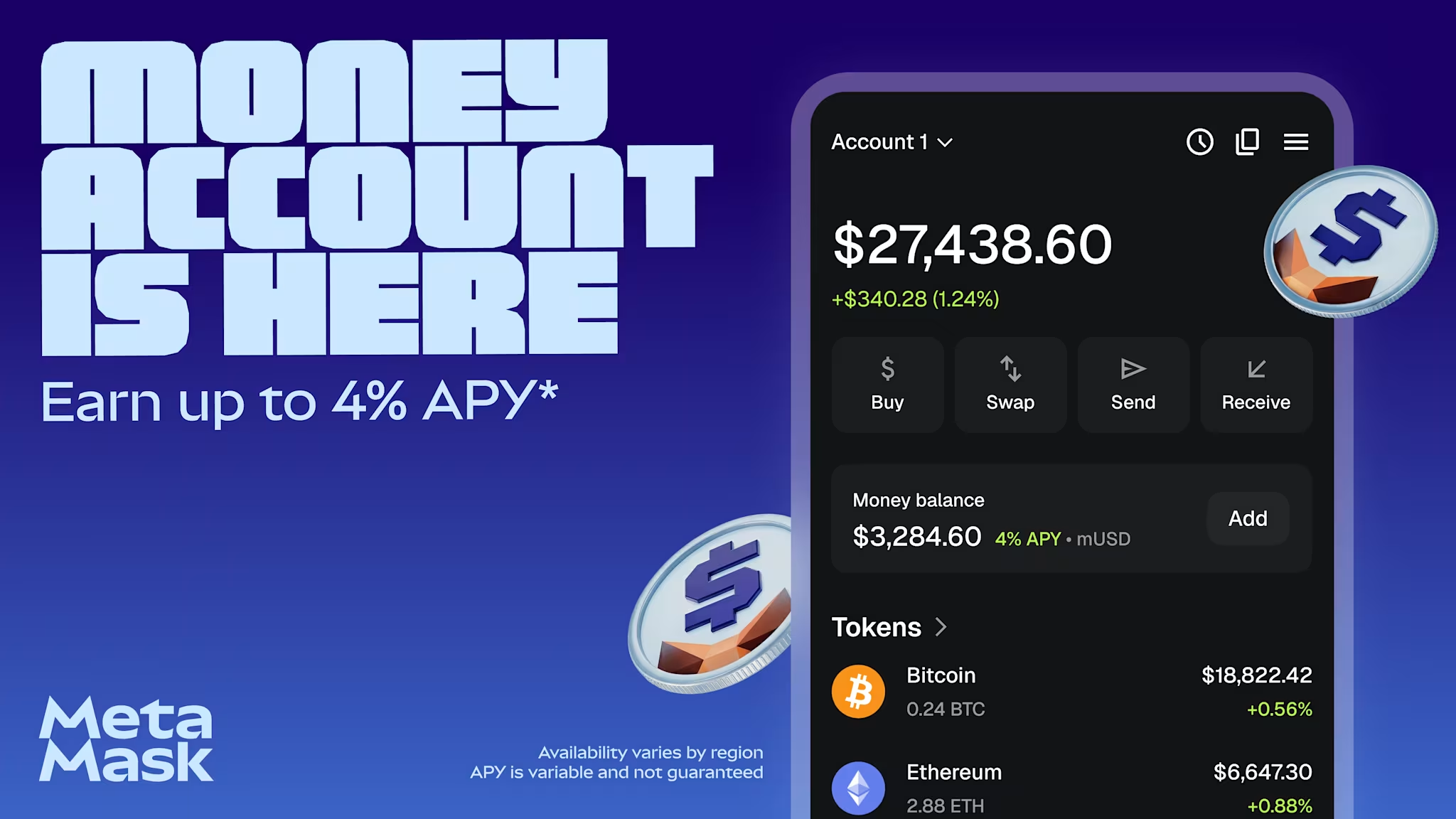
MetaMask, DeFi getirisi ve küresel harcamayı stablecoin bakiyelerine taşıyan Money Account'u başlattı
Kullanıcılar ilk kez, Monad üzerine kurulu tek bir self-custodial hesaptan stablecoin bakiyelerinde %6'ya kadar değişken APY* kazanabilir ve yüz milyonlarca satıcıda harcama yapabilir.
- REHBERLER

2026'nın en iyi mobil kripto cüzdan uygulamaları
iOS ve Android'deki önde gelen mobil kripto cüzdan uygulamalarını karşılaştırın.
- REHBERLER

Stablecoin ve banka hesabı
Stablecoin'ler ve banka hesapları her ikisi de fiat değeri tutar, ancak farklı altyapılar üzerinde çalışır. Bu rehber; koruma, getiri, transfer hızı ve erişim farklarını ele alır.

