
MetaMask, anteriormente Consensys Software Inc, es la plataforma financiera self-custodial más grande del mundo, que ofrece a las personas un único lugar para guardar, gastar, ahorrar y hacer crecer su dinero tanto en criptoactivos como en activos tradicionales. La compañía está construyendo la plataforma de consumo donde esto ocurre, reuniendo pagos, ahorros, inversiones y activos digitales en una experiencia fluida y unificada. Habiendo crecido a partir de la wallet self-custodial más utilizada del mundo, MetaMask otorga a los usuarios control directo sobre su dinero y activos, con presencia en aproximadamente 190 países. MetaMask ha desempeñado un papel fundamental en el crecimiento de Ethereum desde 2016. Hoy, MetaMask se sitúa en el centro de la economía blockchain, construyendo el sistema operativo para el Open Money y poniendo a las personas en pleno control de su vida financiera.
Leer todos los artículos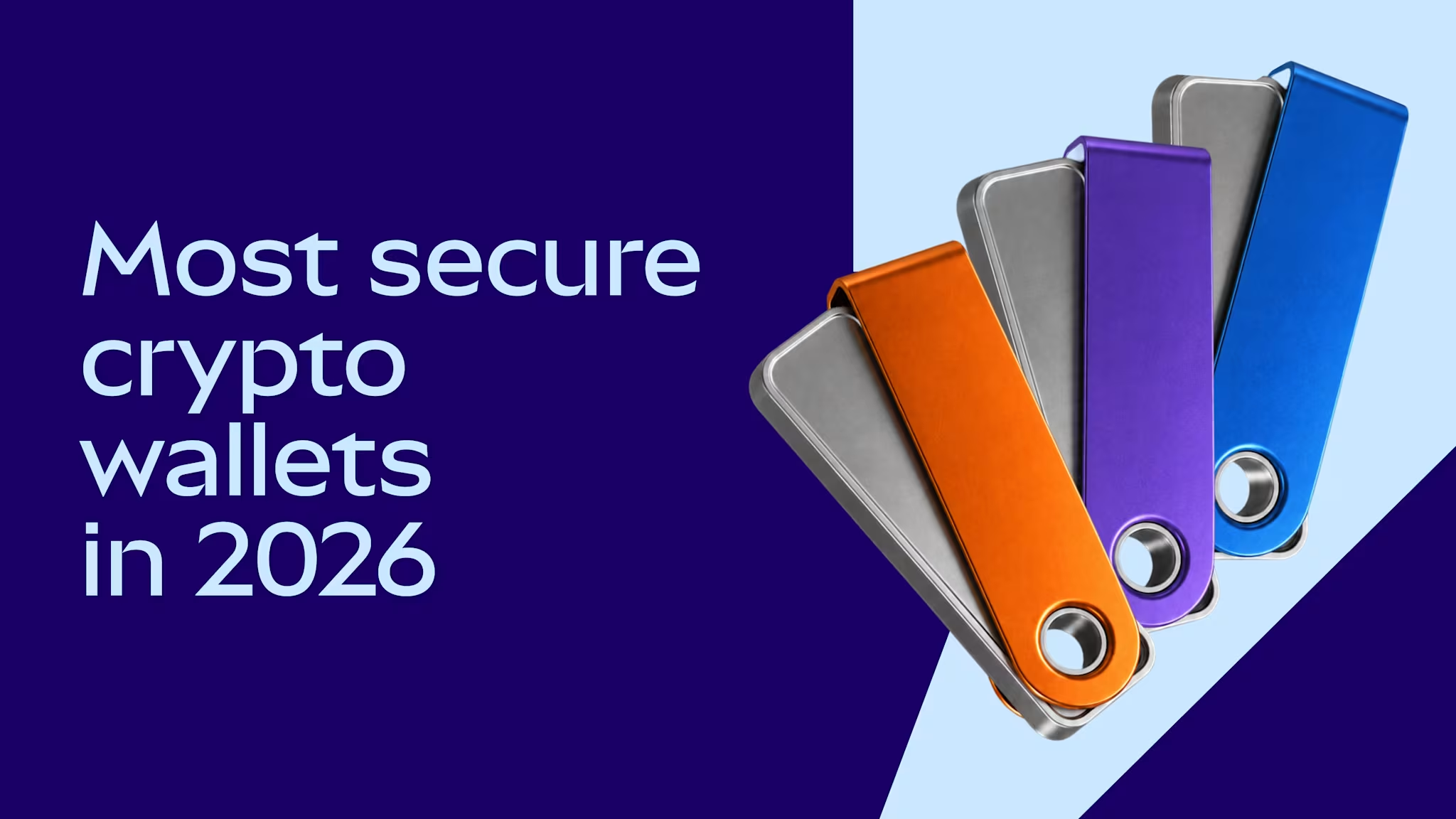
La configuración de billetera cripto más segura generalmente combina una billetera de software autocustodial para transacciones cotidianas, ganancias e intercambios, con una billetera de hardware para almacenamiento de activos sin conexión. Ningún dispositivo lo hace todo. Una billetera de hardware mantiene tus Private Keys sin conexión, fuera del alcance de atacantes remotos, pero no puede verificar las transacciones mientras las firmas. Una billetera de software monitorea las transacciones en tiempo real para detectar estafas antes de que las apruebes, pero mantiene las Private Keys en un dispositivo conectado a internet. Por eso muchas personas usan ambas. Algunas billeteras de software, como MetaMask, también ofrecen soporte integrado para billeteras de hardware.
La seguridad de una billetera depende de cómo está construida, qué protecciones tiene, y cómo la configuras y usas. Este artículo compara diferentes billeteras cripto en 5 consideraciones de seguridad principales: custodia, almacenamiento de claves, transparencia del código, funciones de detección de amenazas y métodos de recuperación.
Descargo de responsabilidad: Esta guía es solo para fines educativos. No constituye asesoramiento financiero, no es una solicitud y no está dirigida a audiencias del Reino Unido. Las criptomonedas son riesgosas y no son adecuadas para todos los usuarios.
La forma más segura de almacenar criptomonedas: billeteras, claves y detección de amenazas
Las billeteras cripto más seguras se evalúan en más de una dimensión. Todas las billeteras de esta guía son autocustodiales y se evalúan según los factores que determinan la seguridad diaria: quién controla las Private Keys (y por lo tanto la billetera), dónde se almacenan estas claves, si el código es de código abierto, si la billetera detecta y señala amenazas antes de que firmes, y cómo funciona la recuperación.
Billetera | Tipo | Almacenamiento de claves | Código abierto | Auditorías y recompensas | Funciones de seguridad integradas | Modelo de recuperación |
MetaMask | Software | Almacenamiento local cifrado | Código disponible (licencia personalizada) | Auditada (Cure53, Least Authority); programa de recompensas por errores en HackerOne | Alertas de seguridad impulsadas por Blockaid, Smart Transactions, protección contra front-running y MEV, vistas previas de transacciones, detección de envenenamiento de direcciones, prevención de ataques a la cadena de suministro con LavaMoat; inteligencia de detección de amenazas y lista de bloqueo de código abierto en tiempo real impulsada por ChainPatrol | Secret Recovery Phrase, en poder del usuario |
Coinbase Wallet | Software | Almacenamiento local cifrado | Parcial | Auditada (Bishop Fox); programa de recompensas por errores de hasta $5M | Vistas previas de transacciones, advertencias de estafas | Secret Recovery Phrase, con copia de seguridad en la nube opcional |
Rabby | Software | Almacenamiento local cifrado | Sí | Auditorías anuales (Least Authority, SlowMist) | Simulación previa a la firma, análisis de riesgos | Secret Recovery Phrase, en poder del usuario |
OKX Wallet | Software | Almacenamiento local cifrado | Sí | Auditada (SlowMist, CertiK); programa público de recompensas por errores | Advertencias de dominios maliciosos y direcciones similares, bloqueo de firmas de alto riesgo | Secret Recovery Phrase, en poder del usuario; gestión de claves MPC opcional |
Phantom | Software | Almacenamiento local cifrado | Parcial, lista de bloqueo abierta, núcleo cerrado | Auditada (Kudelski Security, Least Authority); programa de recompensas por errores | Vistas previas de transacciones, advertencias de phishing, filtrado de tokens fraudulentos y NFT spam | Secret Recovery Phrase, en poder del usuario |
Ledger Flex | Hardware | Sin conexión, elemento seguro en el dispositivo | Parcial, firmware cerrado | Laboratorio Ledger Donjon y auditorías de terceros; programa de recompensas por errores | Firma de transacciones en la pantalla propia de la billetera de hardware | Frase de 24 palabras, en poder del usuario |
Ledger Nano X | Hardware | Sin conexión, elemento seguro en el dispositivo | Parcial, firmware cerrado | Laboratorio Ledger Donjon y auditorías de terceros; programa de recompensas por errores | Firma de transacciones en la pantalla propia de la billetera de hardware | Frase de 24 palabras, en poder del usuario |
Trezor Safe 7 | Hardware | Sin conexión, elemento seguro en el dispositivo | Totalmente de código abierto | Chip y firmware auditados de forma independiente; programa de recompensas por errores | Confirmación en la pantalla propia de la billetera de hardware, frase de contraseña adicional opcional | Secret Recovery Phrase, con frase de contraseña opcional; en poder del usuario |
¿Qué es una Private Key y por qué es importante para la seguridad de la billetera?
Una Private Key es una contraseña criptográfica secreta que controla una billetera, prueba la propiedad de los activos en una blockchain y autoriza su movimiento. La mayoría de las billeteras derivan sus Private Keys de una Secret Recovery Phrase compuesta por 12 o 24 palabras, lo que convierte esa frase en una llave maestra de todo lo que contiene la billetera.
La seguridad de una billetera es, por lo tanto, una cuestión de cómo el diseño mantiene ese secreto fuera del alcance. Puede estar aislada en un dispositivo dedicado sin conexión, cifrada en un teléfono, dividida en fragmentos que nunca se ensamblan en un solo lugar, o reemplazada por credenciales vinculadas al dispositivo. Consulta what is a crypto wallet para obtener más información sobre cómo funciona una Private Key.
Comparación entre billeteras custodiales y autocustodiales
Al comparar la seguridad de las billeteras cripto, el primer aspecto a considerar es si es custodial o autocustodial. Esto determina quién tiene las Private Keys de la billetera y, por lo tanto, quién puede mover los fondos que contiene. Con una billetera custodial, la empresa o el exchange guarda tus Private Keys. El custodio genera y controla tu Secret Recovery Phrase. Como resultado, la empresa puede congelar tu cuenta o revocar el acceso en cualquier momento. La recuperación en caso de robo o error del usuario a veces es posible, y el soporte puede intervenir. Si ese custodio quiebra, puede resultar en una pérdida total de tus fondos.
Con una billetera autocustodial, tú tienes y controlas las Private Keys. La Secret Recovery Phrase es creada y almacenada por ti, no en el servidor de una empresa, por lo que nadie puede congelar ni tomar tus fondos, y ningún exchange en quiebra puede tocarlos. Esto te da control total, pero también una gran responsabilidad: si pierdes la Secret Recovery Phrase, el acceso generalmente no puede ser restaurado.
La autocustodia se considera un punto de partida en este artículo, sobre el cual podemos explorar cómo una billetera mantiene tus claves seguras y te ayuda a evitar firmar una transacción maliciosa.
Dónde se almacenan las claves: billeteras de software y billeteras de hardware
Al considerar las billeteras autocustodiales, hay 2 tipos principales: una billetera de software (a veces conocida como hot wallet) y una billetera de hardware (a veces conocida como cold wallet).
Una billetera de software guarda las claves en un dispositivo o aplicación conectada a internet, como un teléfono móvil o una computadora. Eso la hace práctica para intercambios, trading e interacción con aplicaciones, pero también coloca las Private Keys donde el malware en línea o un sitio malicioso podría alcanzarlas.
Una billetera de hardware mantiene las Private Keys en un dispositivo que permanece sin conexión, y las transacciones se firman dentro del dispositivo, por lo que en teoría la clave nunca pasa a la computadora o teléfono conectado.
Como resultado, las billeteras de hardware se usan comúnmente para almacenar de forma segura activos que raramente se mueven, mientras que las billeteras de software se consideran más prácticas para activos en uso activo. Sin embargo, la brecha se ha reducido, porque las billeteras de software bien construidas ahora también se defienden en las capas de firma e interacción.
Billeteras de hardware y almacenamiento sin conexión
Las billeteras de hardware son dispositivos físicos que mantienen tus claves sin conexión y aprueban cada transacción en el propio dispositivo. Dos cosas las distinguen: qué tan robusto es el chip de seguridad integrado (su calificación "EAL", donde un número más alto es más resistente) y cuánto del software del dispositivo es público para que expertos externos lo verifiquen. Algunas marcas mantienen partes de su software privadas, lo que dificulta que alguien fuera de la empresa pueda verificarlo.
Una billetera de hardware evita que alguien robe tus Private Keys de forma remota. No puede ayudar si alguien obtiene acceso a tu Secret Recovery Phrase, o si apruebas una transacción fraudulenta en la propia pantalla del dispositivo. Esos 2 riesgos permanecen contigo.
Seguridad de las billeteras de software más allá del almacenamiento de claves
Dado que las claves de una billetera de software se encuentran en un dispositivo conectado, su seguridad depende en gran medida de lo que rodea el acto de firmar: transparencia del código, auditorías independientes recientes, control de acceso a nivel de dispositivo y verificaciones en el momento en que firmas. La sección a continuación desglosa estos aspectos y cómo verificar cada uno.
Transparencia del código. El código de billetera que es de código abierto puede ser inspeccionado por cualquier persona, lo que permite que desarrolladores externos confirmen lo que hace la billetera, en lugar de confiar en la palabra del fabricante.
Auditorías independientes y programas de recompensas por errores. Publicar el código es solo la mitad del trabajo, ya que el código no auditado que nadie revisa aún puede ocultar fallas. Las auditorías detectan lo que la revisión interna pasó por alto, y un programa de recompensas por errores crea una vía legítima de divulgación para los investigadores. Las auditorías de código más impactantes revisan las versiones actuales del código.
Control de acceso a nivel de dispositivo. Un requisito de Face ID, huella dactilar o PIN a nivel de billetera significa que solo tú puedes abrirla, por lo que un dispositivo perdido o robado no la expone incluso cuando la pantalla ya está desbloqueada. Protege contra el robo y que alguien acceda a un teléfono abierto, pero no contra ataques remotos, por lo que funciona junto con las verificaciones de la capa de firma, no en su lugar.
Verificaciones de seguridad en el momento de firmar. Muchas estafas cripto funcionan engañando a alguien para que apruebe una transacción que silenciosamente paga al atacante, por lo que aquí es donde una buena billetera realiza parte de su trabajo más importante. Justo antes de confirmar una transacción, se deben ejecutar varias verificaciones que preservan la privacidad, para que puedas:
Ver una vista previa de cómo cambiará tu saldo si la apruebas
Recibir una advertencia si la transacción involucra un elemento o dirección maliciosa
Recibir una advertencia si una dirección de destinatario ha sido diseñada para parecerse, pero no ser igual, a una que hayas usado antes
Permitir el envío privado que oculta tu transacción de bots que de otro modo se adelantarían para inflar las comisiones
Esta es también la capa donde se pierden fondos con mayor frecuencia, por lo que las verificaciones débiles aquí son una forma común en que las estafas tienen éxito. Las billeteras difieren en cuántas de estas funciones de seguridad incluyen. Algunas tienen una o dos; unas pocas las combinan todas. MetaMask, por ejemplo, ejecuta varias de forma predeterminada:
Las alertas de seguridad impulsadas por Blockaid verifican y muestran una vista previa de cada transacción en tiempo real y advierten antes de que una maliciosa se procese.
Smart Transactions envía tu transacción a través de una ruta privada para que los bots no puedan adelantarse.
La detección de envenenamiento de direcciones señala direcciones de destinatarios similares antes de que se envíe una transferencia.
LavaMoat protege el propio código de la billetera de ataques a la cadena de suministro, para que un componente de terceros manipulado no pueda acceder a tus claves.
Transaction Shield es un complemento de pago opcional que cubre hasta $10,000 al mes en pérdidas en transacciones cubiertas.
Más allá de estas verificaciones, el código de la billetera MetaMask está publicado de forma transparente bajo una licencia personalizada. Cuenta con un historial de auditorías independientes de varios años y ejecuta un programa público de recompensas por errores.
Al evaluar cualquier billetera cripto, es importante determinar si ofrece código que otros puedan revisar, auditorías independientes recientes y verificaciones de seguridad en el momento de la firma.
Las billeteras de contratos inteligentes, MPC y passkey cambian el modelo de recuperación
El enfoque anterior asume una Private Key detrás de una Secret Recovery Phrase. Una proporción creciente de billeteras de software y hardware en 2026 utilizan diseños que cambian el cálculo de seguridad de diferentes maneras, especialmente en torno a la custodia de claves y la recuperación.
Las billeteras de computación multipartita (MPC) dividen la clave en fragmentos almacenados en ubicaciones separadas, como el dispositivo del usuario, un proveedor y un servicio de respaldo, y luego firman de forma colaborativa sin reconstruir la clave completa en ningún lugar. Ninguna ubicación comprometida por sí sola revela la clave. La contrapartida es la dependencia del protocolo y la disponibilidad del proveedor, lo que reintroduce a un tercero de forma más acotada.
Las billeteras de contratos inteligentes, también llamadas smart accounts, colocan la lógica de la cuenta en redes blockchain. Dado que la cuenta es un contrato en lugar de un par de claves simple, puede aplicar reglas que una clave simple no puede: límites de gasto, destinos en lista blanca, retrasos de tiempo en transferencias grandes, claves de sesión con permisos limitados y recuperación multifirma o social en lugar de una única frase. La ventaja está en la parte de recuperación, donde perder un dispositivo deja de ser catastrófico. Los costos son el riesgo del contrato, ya que el propio código puede tener errores, costos de transacción más altos y soporte desigual entre redes y aplicaciones.
Las billeteras con passkey y sin frase semilla reemplazan la frase de recuperación con credenciales vinculadas al dispositivo respaldadas por hardware seguro de la plataforma. Esto elimina la mayor causa individual de pérdida catastrófica —una frase que puede ser objeto de phishing, fotografiada o perdida— y sustituye la dependencia en el ecosistema del dispositivo y su propia recuperación de cuenta.
Multisig es una configuración robusta para activos de alto valor que debería requerir el acuerdo de varias personas o dispositivos, con un costo significativo en conveniencia.
Ninguna de estas opciones es automáticamente más segura que una billetera de hardware o software bien gestionada. Cada una traslada el riesgo de la frase de recuperación al código y la infraestructura, lo que puede ser adecuado para usuarios que prefieren cuentas recuperables y no es adecuado para usuarios que no quieren dependencias de terceros.
Billetera de hardware para almacenamiento cripto, billetera de software para actividad
La configuración más sólida en el mundo real para el almacenamiento seguro de criptomonedas generalmente implica más de una billetera.
Una billetera de hardware puede usarse para mantener activos cripto sin conexión, fuera del alcance de ataques remotos. Una billetera de software gestiona la actividad frecuente, como intercambios, aplicaciones, pagos y ganancias. MetaMask, por ejemplo, se conecta directamente a una billetera de hardware como Ledger, combinando sus funciones de seguridad e interfaz con Private Keys que nunca abandonan la billetera de hardware sin conexión, para transacciones de alto valor.
Para activos que necesitan control compartido o una cuenta recuperable, una billetera de contrato inteligente o multisig cubre lo que una billetera de clave única estructuralmente no puede.
Riesgos de seguridad de las billeteras cripto por error humano: phishing, ingeniería social y Secret Recovery Phrase expuesta
Muchas pérdidas de criptomonedas son causadas por error humano, ingeniería social y phishing, en lugar de seguridad del dispositivo comprometida. Existen vías comunes que utilizan los hackers.
Sitios de phishing que obtienen una conexión y una firma para una solicitud maliciosa. La billetera funciona según lo diseñado y la autorización es real.
Una Secret Recovery Phrase expuesta, ya sea fotografiada, sincronizada en la nube o ingresada en un formulario de recuperación falso, que transfiere el control total independientemente del diseño de la billetera.
Aprobaciones de tokens maliciosas que autorizan a un contrato a mover tokens más tarde, a veces mucho después de la interacción que las creó. What are token approvals? explica cómo persisten las aprobaciones y cómo se revocan.
Envenenamiento de direcciones, donde un atacante envía una transacción de valor mínimo o cero desde una dirección diseñada para coincidir con los primeros y últimos caracteres de una dirección a la que el usuario pagó recientemente, de modo que un posterior copiar y pegar del historial de transacciones envía fondos al atacante. La defensa es verificar la dirección completa en lugar de la forma truncada, y confiar en la detección de envenenamiento de direcciones de la billetera cuando esté disponible.
Cuentas de soporte falsas que solicitan una Secret Recovery Phrase o Private Key. Ninguna billetera legítima solicita ninguna de las dos.
Al considerar qué tan seguros están tus criptoactivos, la elección de la billetera juega un papel clave. También lo hacen las consideraciones operativas, como: si la Secret Recovery Phrase solo existe sin conexión, qué tan seguramente está almacenada, si la dirección se verifica antes de firmar, si se revisan y revocan las aprobaciones obsoletas, y si se leen las advertencias de seguridad en lugar de descartarlas. Para más consejos sobre cómo gestionar criptomonedas de forma segura, visita how to secure your wallet with privacy best practices.

Traducido por IA. Puede contener errores. Por favor, verifique siempre la información.
- LO ÚLTIMO
Presentamos MetaMask Transaction Shield
Obtén protección de transacciones y soporte prioritario para mayor tranquilidad.
- LO ÚLTIMO
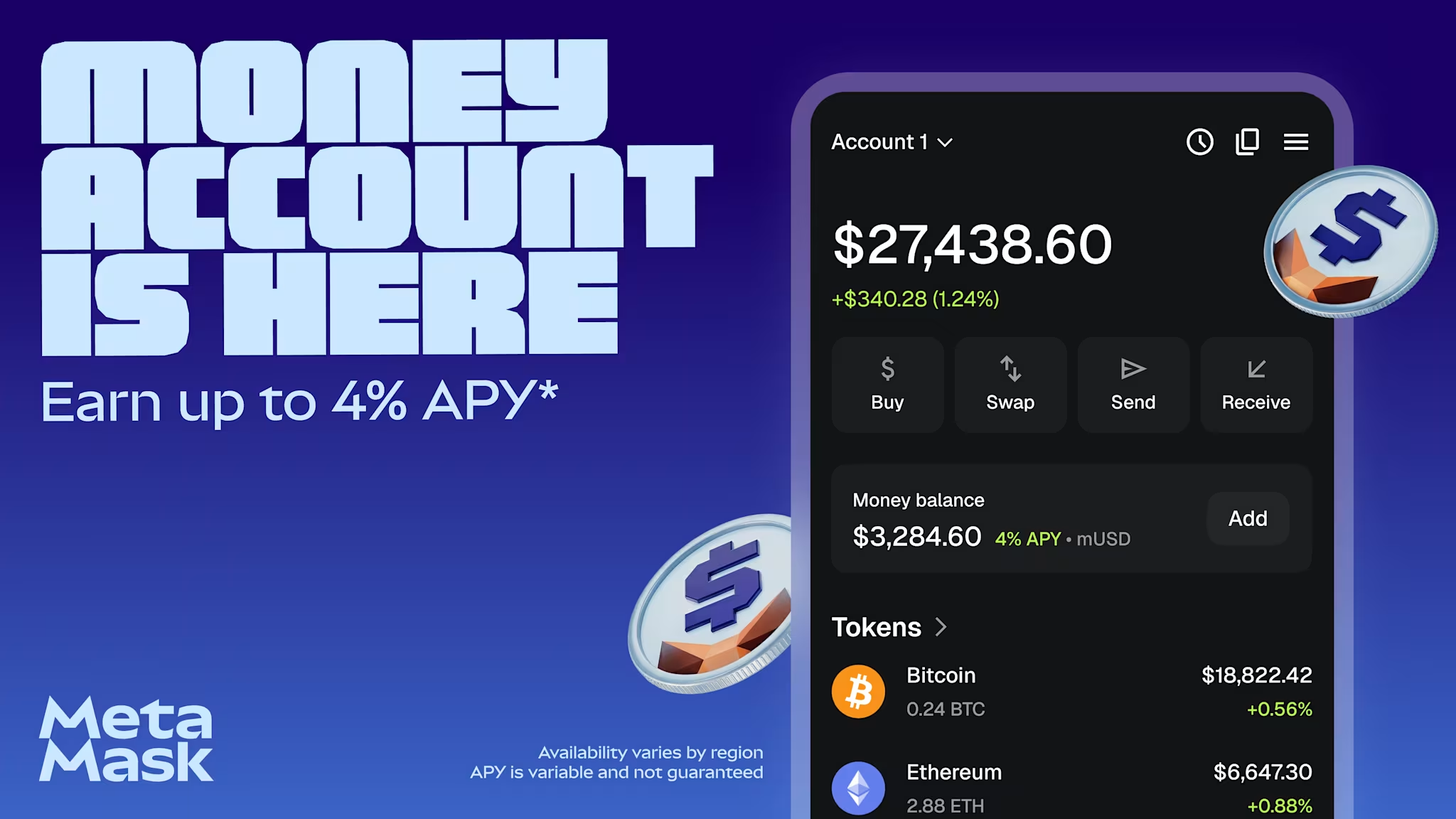
MetaMask lanza Money Account, combinando rendimiento DeFi y pagos globales con saldos en stablecoins
Por primera vez, los usuarios pueden ganar hasta un 6% de APY* variable en saldos de stablecoins y gastar en cientos de millones de comercios desde una sola cuenta autocustodiada, construida en Monad.
- GUÍAS

Las mejores apps de cripto wallet móvil en 2026
Compara las principales apps de billetera cripto para iOS y Android.
