
MetaMask, ранее известная как Consensys Software Inc, — крупнейшая в мире самостоятельная финансовая платформа, предоставляющая людям единое место для хранения, расходования, накопления и приумножения средств как в криптовалюте, так и в традиционных активах. Компания создаёт потребительскую платформу, объединяющую платежи, сбережения, инвестиции и цифровые активы в едином бесшовном опыте. Вырастая из самого широко используемого в мире self-custodial кошелька, MetaMask предоставляет пользователям прямой контроль над их деньгами и активами, охватывая около 190 стран. MetaMask сыграл основополагающую роль в развитии Ethereum с 2016 года. Сегодня MetaMask занимает центральное место в экономике блокчейна, создавая операционную систему для Open Money и предоставляя людям полный контроль над их финансовой жизнью.
Читать все статьи
Введение в бессрочную торговлю и типы маржи
Бессрочные фьючерсы — широко известные как perps — это криптодеривативы, позволяющие трейдерам спекулировать на цене актива без его владения и без даты истечения. В отличие от традиционных фьючерсов, расчёт по которым происходит в фиксированную дату, бессрочные контракты используют механизм ставки финансирования для привязки цены к базовому спотовому рынку; платежи, как правило, обмениваются между лонгами и шортами каждые восемь часов.
Маржа — это залог, который трейдеры вносят для открытия и поддержания позиции с кредитным плечом. Выбор режима маржи — кросс или изолированный — напрямую определяет, как распределяется этот залог, как рассчитывается ликвидация и какая часть счёта подвергается риску по каждой отдельной сделке.
При кросс-марже все открытые позиции используют единый пул залога. При изолированной марже каждая позиция ограждена собственным выделенным залогом. Правильный режим зависит от стратегии трейдера, его терпимости к риску и того, насколько активно он хочет управлять каждой позицией.
Тем, кто только начинает знакомство с бессрочными фьючерсами, полезно начать с основ: самокастодиальный продукт perps от MetaMask на базе Hyperliquid предлагает доступное введение в торговлю perps для начинающих с настраиваемыми инструментами управления рисками: тейк-профит, стоп-лосс, кредитное плечо до 50x и самостоятельное хранение активов на протяжении всего процесса. Полное руководство по стоп-лоссу, тейк-профиту и другим типам ордеров см. в статье типы криптоордеров.
Отказ от ответственности: данное руководство предназначено исключительно в образовательных целях. Это не финансовый совет, не предложение и не предназначено для аудитории из Великобритании. Бессрочные фьючерсы сопряжены с рисками и подходят не всем пользователям.
Что такое кредитное плечо в торговле бессрочными фьючерсами?
Кредитное плечо позволяет трейдеру управлять позицией, превышающей внесённый капитал, усиливая как потенциальную прибыль, так и потенциальные убытки. Оно выражается как мультипликатор маржи.
Как кредитное плечо работает на практике:
Кредитное плечо | Внесённая маржа (залог) | Размер позиции | Движение цены для потери всей маржи |
2x | $1 000 | $2 000 | 50% |
5x | $1 000 | $5 000 | 20% |
10x | $1 000 | $10 000 | 10% |
25x | $1 000 | $25 000 | 4% |
40x | $1 000 | $40 000 | 2,5% |
При плече 10x депозит в $100 управляет позицией на $1 000: благоприятное движение цены на 1% даёт доходность 10% на маржу, но неблагоприятное движение на 1% стоит 10% маржи. По мере роста плеча расстояние до ликвидации сокращается — это означает, что меньшие рыночные движения могут уничтожить залог.
Кредитное плечо по бессрочным фьючерсам варьируется в зависимости от платформы и актива. MetaMask Perps через Hyperliquid поддерживает плечо до 50x, а точный лимит может варьироваться в зависимости от конкретного рынка и условий ликвидности. Некоторые централизованные биржи предлагают до 125x по основным парам, таким как BTC/USDT.
Ключевой принцип: кредитное плечо — это не бесплатные деньги. Оно усиливает результаты в обоих направлениях. Плечо устанавливается до открытия позиции и на большинстве платформ фиксируется на весь срок существования этой позиции.
Понимание кросс-маржи
Как работает кросс-маржа
Кросс-маржа объединяет весь доступный баланс счёта в качестве общего залога для каждой открытой позиции. Когда открыто несколько сделок, все они используют один и тот же маржинальный баланс. Нереализованный PnL (прибыль и убыток) по каждой позиции непрерывно корректирует общий капитал, и этот совокупный капитал одновременно поддерживает все открытые сделки.
На практике это означает:
Если позиция A прибыльна, а позиция B убыточна, нереализованная прибыль по A может автоматически компенсировать убытки по B, удерживая B выше порога поддерживающей маржи.
Избыточная маржа от закрытых или прибыльных сделок немедленно становится доступной для поддержки других позиций.
Эффективная цена ликвидации по любой отдельной сделке зависит от результатов всего портфеля.
Кросс-маржа может отсрочить или предотвратить ликвидацию убыточной сделки — но компромисс состоит в том, что весь баланс счёта подвергается риску. Если совокупные убытки по всем позициям превысят общий капитал, все открытые позиции могут быть ликвидированы одновременно.
Преимущества кросс-маржи
Автоматическая компенсация убытков: прибыль по выигрышным позициям смягчает просадки по убыточным, потенциально предотвращая принудительную ликвидацию по отдельной сделке.
Эффективность капитала: поскольку нереализованная прибыль увеличивает доступную маржу, трейдер может более эффективно использовать капитал, не держа его без дела. Один доллар капитала может одновременно поддерживать несколько позиций.
Упрощённое управление: отслеживайте один консолидированный маржинальный баланс и одно общее маржинальное соотношение, а не каждую позицию по отдельности.
Естественное соответствие для хеджирования: при использовании хеджированной стратегии (например, лонг спот / шорт perp basis trade) кросс-маржа позволяет двум плечам автоматически компенсировать друг друга, снижая требуемый капитал.
Риски и компромиссы кросс-маржи
Риск для всего счёта: одна катастрофическая сделка может опустошить весь баланс, включая нереализованную прибыль по другим позициям.
Риск коррелированного обвала: во время широкой рыночной распродажи, если несколько позиций одновременно движутся против трейдера, общий залог может быть израсходован быстрее, чем предполагают убытки по любой отдельной позиции.
Сложнее изолировать плохие сделки: трейдер не может ограничить ущерб от одной позиции, не закрыв её или не переключив в изолированный режим (там, где это поддерживается).
Каскадная ликвидация: если капитал опускается ниже совокупных требований по поддерживающей марже, платформа может ликвидировать все позиции — а не только наихудшую.
Часто используется: опытными трейдерами, реализующими многоплечевые стратегии, basis trades, хеджированные портфели или carry trades, где позиции намеренно коррелированы или взаимно компенсируют друг друга.
Понимание изолированной маржи
Как работает изолированная маржа
Изолированная маржа назначает определённую сумму залога каждой отдельной позиции. Если эта позиция ухудшается, под угрозой находится только выделенная маржа; остальной баланс счёта полностью защищён.
Маржа определяется для каждой сделки при её открытии, и трейдер, как правило, может впоследствии вручную добавлять или убирать залог. Максимальный убыток по сделке ограничен назначенной изолированной маржей — трейдер не может потерять больше, чем вложил в эту позицию.
На практике это означает:
Каждая сделка функционирует как отдельный субсчёт.
Если позиция A ликвидирована, позиции B и C остаются полностью незатронутыми.
Уровень маржи каждой позиции необходимо активно отслеживать и при необходимости пополнять.
Преимущества изолированной маржи
Ограниченный риск по каждой сделке: максимальный убыток по любой позиции равен назначенному залогу. Основной счёт защищён. Это особенно ценно для MetaMask Perps, где платформа автоматически закрывает позицию при ликвидации, поэтому трейдер не может потерять больше своей маржи.
Идеально для экспериментов: при тестировании новых токенов, незнакомых стратегий или высокоплечевых сетапов изолированная маржа позволяет трейдеру точно определить, сколько он готов потерять, прежде чем войти в позицию.
Чёткие границы риска: каждая позиция имеет определённый максимальный убыток, что упрощает анализ после сделки и систематическое управление рисками.
Предотвращает каскадные ликвидации: в отличие от кросс-маржи, одна неудачная сделка не может спровоцировать цепную реакцию, уничтожающую весь счёт.
Риски и компромиссы изолированной маржи
Более высокая нагрузка на управление: каждую позицию необходимо отслеживать независимо. Если сделка приближается к ликвидации, свободные средства на других частях счёта не придут на помощь автоматически.
Фрагментация капитала: залог, заблокированный в одной позиции, не может поддерживать другую, что потенциально ведёт к неэффективному использованию капитала при ведении нескольких сделок.
Отсутствие автоматического зачёта PnL: прибыль по одной позиции не снижает риск ликвидации другой. Каждая сделка существует самостоятельно.
Риск преждевременной ликвидации: если трейдер не пополняет позицию, приближающуюся к порогу поддерживающей маржи, она будет ликвидирована, даже если на счёте есть достаточный свободный баланс.
Часто используется: трейдерами, которые хотят строгих лимитов риска по каждой сделке, начинающими, изучающими механику торговли, теми, кто торгует волатильными или неликвидными активами, а также в стратегиях, где независимость отдельных позиций является приоритетом.
Ключевые различия между кросс-маржей и изолированной маржей
Сравнение бок о бок
Характеристика | Кросс-маржа | Изолированная маржа |
Область залога | Общая для всех открытых позиций | Выделена для каждой отдельной позиции |
Триггер ликвидации | Общий капитал счёта vs. совокупная поддерживающая маржа | Капитал отдельной позиции vs. её поддерживающая маржа |
Ограничение убытков | На уровне портфеля; весь баланс счёта под риском | На уровне сделки; под риском только выделенная маржа |
Зачёт PnL | Да, прибыль по одной позиции может покрывать убытки другой | Нет, PnL каждой позиции независим |
Эффективность капитала | Выше; простаивающий капитал минимален | Ниже; залог фрагментирован по позициям |
Сложность управления | Ниже; одно маржинальное соотношение для мониторинга | Выше; каждая позиция отслеживается отдельно |
Риск каскадной ликвидации | Да; широкая распродажа может ликвидировать все позиции | Нет; ликвидация ограничена отдельной сделкой |
Типичное применение | Хеджирование, многоплечевые стратегии, basis trades | Эксперименты, высокоплечевые скальпы, волатильные активы |
Матрица решений: примеры применения кросс- и изолированной маржи на практике
Ситуация | Режим | Возможное обоснование |
Хеджированная стратегия лонг/шорт | Кросс | Плечи естественно компенсируют друг друга; общий залог снижает требования к капиталу |
Тестирование нового токена или стратегии | Изолированная | Ограничивает убыток заранее определённой суммой |
Удержание 2–3 коррелированных позиций | Изолированная | Предотвращает каскадные просадки по коррелированным позициям |
Исполнение basis или carry trade | Кросс | Зачёт PnL между плечами — основная ценность |
Высокоплечевой скальп на волатильном активе | Изолированная | Ограничивает максимальный убыток назначенной маржей |
Единственная концентрированная позиция | Любой | Кросс не даёт преимущества зачёта при одной позиции; изолированная устанавливает жёсткий лимит |
Поддерживающая маржа и механика ликвидации
Что такое поддерживающая маржа?
Поддерживающая маржа — это минимальный капитал, который трейдер должен удерживать в своей позиции (изолированная) или на счёте (кросс) для сохранения открытых сделок. Если капитал опускается ниже этого порога, биржа инициирует ликвидацию.
Требования к поддерживающей марже варьируются в зависимости от платформы, актива и размера позиции. Типичные ставки поддерживающей маржи на крупных биржах составляют приблизительно от 0,4% до 1,0% от номинальной стоимости для крупнокапитализированных активов, таких как BTC и ETH, увеличиваясь для токенов с меньшей капитализацией или более высокой волатильностью, а также для более крупных уровней позиций. (Примечание: ставки могут варьироваться в зависимости от биржи.) Например:
Бессрочный контракт BTC/USDT: поддерживающая маржа обычно составляет от 0,4% до 0,5% от номинала для стандартных уровней.
Бессрочные контракты на альткоины: ставки поддерживающей маржи нередко возрастают до 1%–2,5% для активов со средней капитализацией.
Многоуровневые системы: многие биржи используют многоуровневую поддерживающую маржу, при которой более крупные позиции требуют пропорционально большей поддерживающей маржи, что препятствует чрезмерной концентрации.
Как работает ликвидация
В режиме кросс-маржи:
Платформа непрерывно отслеживает общий капитал счёта относительно суммы требований по поддерживающей марже по всем позициям.
Если капитал опускается ниже совокупного порога, биржа может попытаться провести частичную ликвидацию — постепенно уменьшая размеры позиций для восстановления маржинального соотношения.
Если частичная ликвидация недостаточна, все оставшиеся позиции могут быть закрыты по рыночным ценам.
В режиме изолированной маржи:
Капитал каждой позиции отслеживается относительно её собственной поддерживающей маржи.
Когда капитал позиции нарушает уровень поддерживающей маржи, ликвидируется именно эта позиция — и только она.
Все остальные позиции и свободный баланс остаются нетронутыми.
Важные нюансы:
Большинство бирж рассчитывают ликвидацию относительно mark price (сглаженной индексной цены, полученной с нескольких спотовых бирж), а не последней торгуемой цены. Это защищает трейдеров от ликвидаций, вызванных манипуляциями через тонкие стаканы ордеров на одной площадке.
Ликвидация на быстрых рынках сопряжена со слиппейджем: фактическая цена выхода может быть хуже теоретической цены ликвидации, особенно для крупных позиций или неликвидных активов.
Некоторые платформы используют auto-deleveraging (ADL) в качестве крайней меры: если ордера на ликвидацию не могут быть исполнены и страховой фонд исчерпан, позиции прибыльных трейдеров на противоположной стороне могут быть автоматически сокращены для покрытия убытка. Рейтинг ADL, как правило, основан на комбинации кредитного плеча и процента прибыли.
Страховые фонды и социализированные убытки
Крупные биржи поддерживают страховые фонды — пулы капитала, которые поглощают убытки, когда ликвидированные позиции не могут быть закрыты по цене банкротства или выше (цена, при которой маржа достигает ровно нуля). Если страхового фонда достаточно, другие трейдеры не пострадают. Если он исчерпан, платформа может применить социализацию убытков (распределение дефицита между прибыльными трейдерами) или запустить ADL. Балансы страховых фондов, как правило, публикуются и обновляются в режиме реального времени крупными платформами.
Расчёт цены ликвидации
Цена ликвидации — это рыночный уровень, при котором оставшийся капитал позиции опускается до (или ниже) требования по поддерживающей марже. Понимание этого расчёта необходимо для управления рисками в торговле бессрочными фьючерсами.
Пример изолированной маржи
Рассмотрим следующую изолированную длинную позицию:
Параметр | Значение |
Цена входа | $50 000 |
Размер позиции | 0,2 BTC (≈ $10 000 номинала) |
Кредитное плечо | 10x |
Начальная маржа (залог) | $1 000 |
Поддерживающая маржа (0,5% от номинала) | $50 |
Пошаговый расчёт:
Максимально допустимый убыток = Начальная маржа − Поддерживающая маржа = $1 000 − $50 = $950
Формула PnL = Размер позиции × (Текущая цена − Цена входа) = 0,2 × (P − $50 000)
Приравниваем PnL к отрицательному максимальному убытку: 0,2 × (P − $50 000) = −$950
Решаем для P: P − $50 000 = −$4 750 → P = $45 250
Если BTC упадёт до $45 250, позиция достигнет ликвидации. При любой цене ниже этого уровня движок ликвидации биржи автоматически закроет сделку.
Корректировка при кросс-марже
В режиме кросс-маржи применяется та же математическая логика, но капитал не ограничен маржей, назначенной одной позиции. Вместо этого он включает весь баланс счёта — нереализованный PnL по всем открытым позициям плюс любые свободные средства. Это означает:
Эффективная цена ликвидации находится дальше от точки входа (больший буфер), когда остальная часть портфеля прибыльна или трейдер держит избыточные средства.
И наоборот, убыточная позиция по одной паре может истощать капитал других позиций, потенциально вызывая каскадные ликвидации по всему портфелю.
Важно: точные формулы ликвидации различаются в зависимости от платформы, типа контракта (линейный или обратный) и структуры комиссий. Используйте встроенный калькулятор ликвидации биржи для получения точных цифр. В MetaMask Perps через Hyperliquid MetaMask автоматически закроет позицию при ликвидации, поэтому трейдер не может потерять больше маржи.
Почему это важно для выбора режима маржи
Этот расчёт раскрывает ключевой компромисс: изолированная маржа даёт предсказуемую цену ликвидации для каждой сделки, тогда как кросс-маржа делает ликвидацию событием на уровне портфеля, которое меняется по мере изменения других позиций и баланса. Ни один из вариантов не является изначально лучшим — правильный выбор зависит от торговой стратегии, количества позиций и терпимости к риску.
Распространённые причины ликвидации
Ликвидация — это принудительное закрытие позиции, когда капитал опускается ниже требования по поддерживающей марже. Это один из наиболее значимых рисков в торговле бессрочными фьючерсами с кредитным плечом. Вот основные причины:
Чрезмерное кредитное плечо: более высокое плечо означает, что меньшее движение цены может уничтожить маржинальный буфер. При плече 40x неблагоприятное движение на 2,5% может вызвать ликвидацию; при плече 5x есть примерно 20% пространства для манёвра.
Внезапные всплески волатильности и гэпы рынка: флэш-крэши, каскады ликвидаций или макроэкономические новостные события могут двигать цены быстрее, чем трейдер успевает отреагировать — особенно за пределами традиционных торговых часов, когда ликвидность может снижаться.
Недостаточный залог или несвоевременное пополнение: при изолированной марже, если трейдер не добавляет маржу до того, как цена достигает уровня ликвидации, позиция закрывается автоматически. При кросс-марже отсутствие мониторинга общего состояния счёта может привести к неожиданным ликвидациям по нескольким позициям.
Игнорирование затрат на финансирование и комиссий, которые истощают капитал: платежи по финансированию, торговые комиссии и потенциальный слиппейдж со временем снижают эффективную маржу. Позиция, которая выглядит безопасной при входе, может постепенно приближаться к ликвидации просто из-за накопленных затрат.
Коррелированные позиции при кросс-марже: если трейдер держит несколько длинных позиций по высококоррелированным активам (например, BTC и ETH во время широкой рыночной распродажи), убытки накапливаются одновременно, ускоряя истощение капитала.
Низкая ликвидность торгуемой пары: неликвидные рынки часто демонстрируют более широкие спреды и слиппейдж, что означает, что фактическая цена ликвидации может быть хуже теоретической.
Совет профессионала: всегда устанавливайте стоп-лосс выше цены ликвидации. Стоп-лосс позволяет трейдеру выйти на своих условиях; ликвидация — нет. В MetaMask Perps уровни стоп-лосса и тейк-профита можно установить непосредственно при открытии позиции.
Ставки финансирования и их роль в бессрочных фьючерсах
Что такое ставка финансирования?
Ставка финансирования — это механизм периодических платежей, уникальный для бессрочных фьючерсных контрактов. Поскольку бессрочные контракты не имеют даты истечения, не существует естественного расчётного события для привязки цены контракта к базовой спотовой цене. Ставка финансирования решает эту проблему, стимулируя трейдеров возвращать цену бессрочного контракта в соответствие со спотовой.
Ставка колеблется в зависимости от:
Перекоса рынка: дисбаланса между совокупным открытым интересом лонгов и шортов.
Отклонения цены: насколько mark price бессрочного контракта отклоняется от спотовой индексной цены.
Уровней открытого интереса: более высокий открытый интерес в одном направлении усиливает корректировку финансирования.
Финансирование, как правило, обменивается каждые 8 часов на крупных площадках (00:00, 08:00, 16:00 UTC), хотя некоторые платформы используют другие интервалы.
Как финансирование работает между длинными и короткими позициями
Механизм финансирования — это одноранговый перевод; биржа не получает от него прибыли.
Рыночное условие | Ставка финансирования | Кто платит | Кто получает |
Цена perp > Спотовая цена (бычий перекос) | Положительная | Лонги платят | Шорты получают |
Цена perp < Спотовая цена (медвежий перекос) | Отрицательная | Шорты платят | Лонги получают |
Положительное финансирование (лонги платят шортам): как правило, возникает на растущих рынках, где спрос на длинные позиции толкает цену perp выше спотовой. Лонги платят комиссию шортам, создавая стимул для открытия шортов (или антистимул для лонгов), что тянет цену perp вниз к спотовой.
Отрицательное финансирование (шорты платят лонгам): как правило, возникает на падающих или сильно перепроданных рынках. Шорты платят лонгам, стимулируя длинные позиции и толкая цену perp обратно вверх.
Платежи происходят автоматически при каждом интервале финансирования и напрямую корректируют нереализованный или реализованный PnL. Трейдеру не нужно предпринимать никаких действий — дебет или кредит происходит, если он держит открытую позицию на момент временной метки финансирования.
Кто платит ставку финансирования и когда
Только трейдеры с открытыми позициями на точный момент временной метки финансирования платят или получают финансирование. Если трейдер открывает позицию на секунду после временной метки и закрывает её за секунду до следующей, он не платит финансирование. Это создаёт краткосрочные торговые стратегии вокруг интервалов финансирования:
Арбитраж ставки финансирования: некоторые трейдеры открывают лонг по споту и шорт по perps (или наоборот), чтобы получать платежи по финансированию как доходность — стратегия, известная как basis trading или cash-and-carry.
Избегание финансирования: скальперы и краткосрочные трейдеры могут закрывать позиции до временной метки, чтобы избежать уплаты высоких ставок финансирования.
Ключевой вывод: мониторинг ставок финансирования необходим для понимания реальной стоимости удержания позиции по бессрочным фьючерсам. Позиция может быть прибыльной на бумаге, но убыточной после учёта накопленных платежей по финансированию за дни или недели.
Управление рисками и волатильностью в бессрочной торговле
Влияние высокой волатильности на бессрочные контракты
Криптовалютные рынки по своей природе волатильны — круглосуточная торговля, глобальное участие и чувствительность к макроэкономике создают условия, при которых дневные движения на 5–15% не являются редкостью. Эта волатильность имеет конкретные последствия для трейдеров бессрочными фьючерсами:
Сжатые буферы ликвидации: волатильность ускоряет как прибыль, так и убытки. Позиция, имеющая комфортный запас при дневной волатильности 3%, может оказаться под немедленным риском при флэш-движении на 10%.
Более быстрое потребление маржи в режиме кросс: когда несколько позиций с кросс-маржей одновременно испытывают неблагоприятные движения (что характерно для коррелированных криптоактивов), капитал портфеля может быстро истощаться, вызывая ликвидации по нескольким позициям.
Нестабильность ставки финансирования: резкие движения могут изменить ставки финансирования с положительных на отрицательные (или наоборот) в течение одного интервала, изменяя стоимость удержания в середине сделки и застигая трейдеров врасплох.
Слиппейдж и риск исполнения: во время событий высокой волатильности глубина стакана ордеров может значительно снижаться. Рыночные ордера (включая ордера на ликвидацию) могут исполняться по ценам, существенно хуже ожидаемых.
Риск гэпа: хотя криптовалютные рынки не имеют традиционных «гэпов» от ночных закрытий, разрывы ликвидности вокруг крупных новостных событий или сбоев биржи могут производить аналогичные эффекты.
Стратегии управления риском ликвидации
Эффективное управление рисками в торговле бессрочными фьючерсами — это не опция, а разница между долгосрочным успехом и потерей счёта. Вот часто используемые стратегии:
Устанавливайте стоп-лоссы по каждой позиции и определяйте максимально допустимый убыток по сделке до входа. В MetaMask Perps стоп-лосс и тейк-профит можно настроить при создании ордера.
Снижайте кредитное плечо на турбулентных рынках. Меньшее плечо обеспечивает больше пространства для неблагоприятных движений цены до ликвидации. Простое правило: меньшее плечо — больше пространства для манёвра; большее плечо — меньше допустимых ошибок и более быстрые ликвидации.
Проактивно добавляйте маржинальные буферы. Не ждите маржин-колла — если позиция движется против трейдера и он намерен её удерживать, рассмотрите возможность раннего пополнения залога.
Диверсифицируйте позиции и избегайте чрезмерно коррелированных рисков. Одновременное удержание лонгов по BTC, ETH и SOL — это не диверсификация: эти активы часто высококоррелированы. Настоящая диверсификация может включать противоположные направленные ставки или некоррелированные классы активов.
Разделяйте тактики между режимами маржи. Используйте кросс-маржу для хеджированных многоплечевых стратегий (где прибыль по одному плечу субсидирует убытки другого) и изолированную маржу для экспериментальных или высокорисковых сделок (где максимальный убыток ограничен).
Ежедневно проверяйте расписания финансирования, комиссии и маржинальные соотношения. Затраты на финансирование могут быстро накапливаться на трендовых рынках и съедать преимущество.
Используйте правила определения размера позиции. Многие профессиональные трейдеры рискуют не более чем 1–2% от общего счёта в одной сделке.
Использование режимов маржи для упрощения хеджирования
Выбор правильного режима маржи сам по себе является инструментом управления рисками, а не просто переключателем предпочтений.
Кросс-маржа для динамического хеджирования: при реализации хеджированных стратегий — таких как basis trade (лонг спот, шорт perp) или pairs trade (лонг ETH, шорт BTC) — кросс-маржа позволяет прибыли по одному плечу автоматически компенсировать убытки другого. Это сглаживает колебания PnL, снижает вероятность преждевременной ликвидации по отдельному плечу и минимизирует необходимость микроуправления. Компромисс: катастрофическое движение по всем позициям может угрожать всему балансу.
Изолированная маржа для жёстких лимитов: при торговле новыми токенами, неликвидными парами или высокобета-альткоинами изолированная маржа ограждает убыток. Если сделка обнуляется, трейдер теряет только назначенную маржу — ничто другое на счёте не затрагивается. Типичные случаи применения изолированной маржи:
Спекулятивные шорты по альткоинам с повышенным риском гэпа
Тестирование новых стратегий с ограниченным капиталом
Высокоплечевые сделки, где трейдеры хотят абсолютной ясности в отношении максимального убытка
Практический пример: трейдер, реализующий BTC basis trade (лонг спот BTC, шорт BTC perp для получения финансирования), может использовать кросс-маржу, чтобы прибыль по споту буферизировала колебания mark-to-market по perp. Одновременно тот же трейдер может открыть изолированный лонг с плечом 20x по низкокапитализированному альткоину, зная, что максимальный убыток по этой ставке равен ровно внесённой марже.
Часто задаваемые вопросы о марже в торговле бессрочными фьючерсами

Переведено ИИ. Может содержать ошибки. Пожалуйста, всегда проверяйте информацию.
- ПОСЛЕДНИЕ
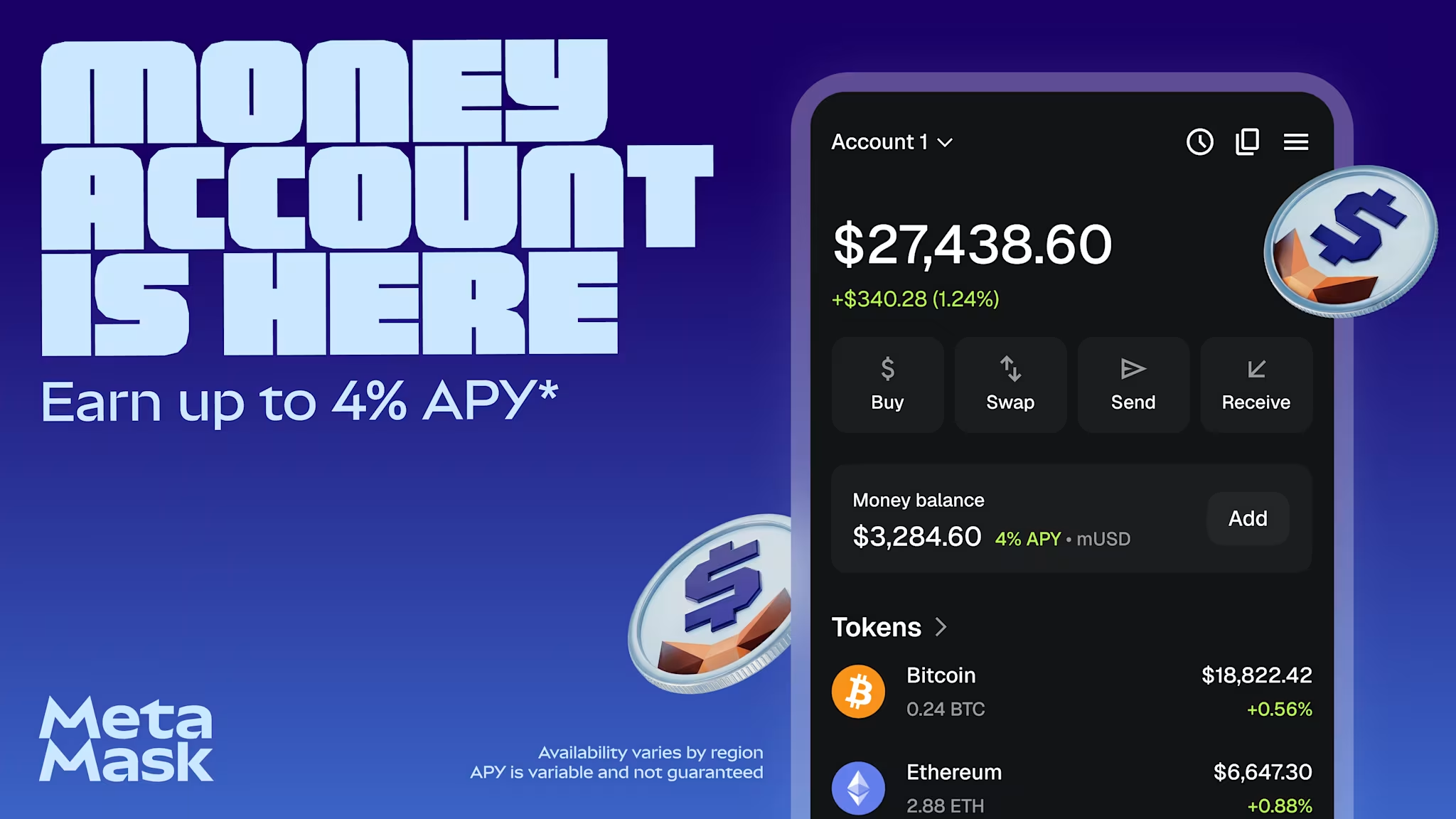
MetaMask запускает Money Account — DeFi-доходность и глобальные расходы для стейблкоин-балансов
Впервые пользователи могут зарабатывать до 6% годовых (APY)* на балансах стейблкоинов и совершать покупки у сотен миллионов продавцов с единого self-custodial счёта на базе Monad.
- РУКОВОДСТВА

Лучшие мобильные криптокошельки 2026 года
Сравните ведущие мобильные криптокошельки для iOS и Android.
- РУКОВОДСТВА
Стейблкоин vs банковский счёт
Стейблкоины и банковские счета хранят фиатную стоимость, но работают на разной инфраструктуре. Это руководство объясняет различия в защите, доходности, скорости переводов и доступности.

